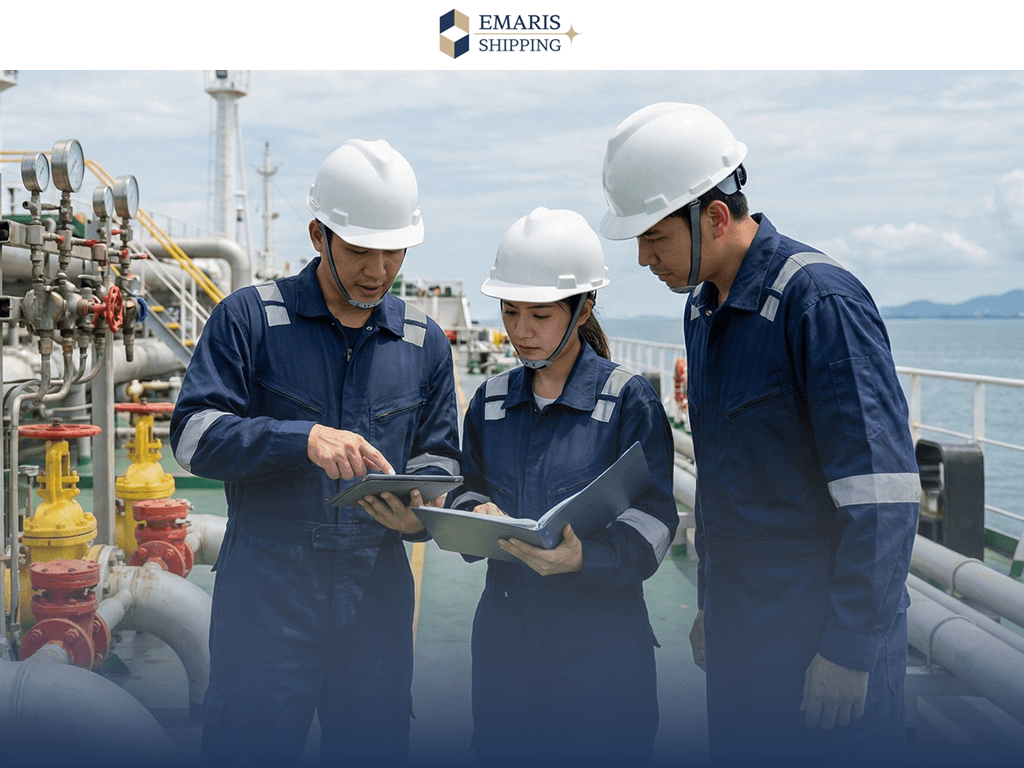
Tanker technical management decisions shape safety outcomes, cost control, and regulatory exposure across the life of a fleet. This blog will walk you through how in-house technical teams compare with outsourced technical ship management in 2026, and how tanker operators should evaluate risk, cost efficiency, and scalability before choosing a structure.
Within the first hundred words, it is worth grounding this comparison against the scope defined under professional ship management services, because most trade-offs only become clear when responsibilities are properly defined.
Why This Decision Matters More in 2026
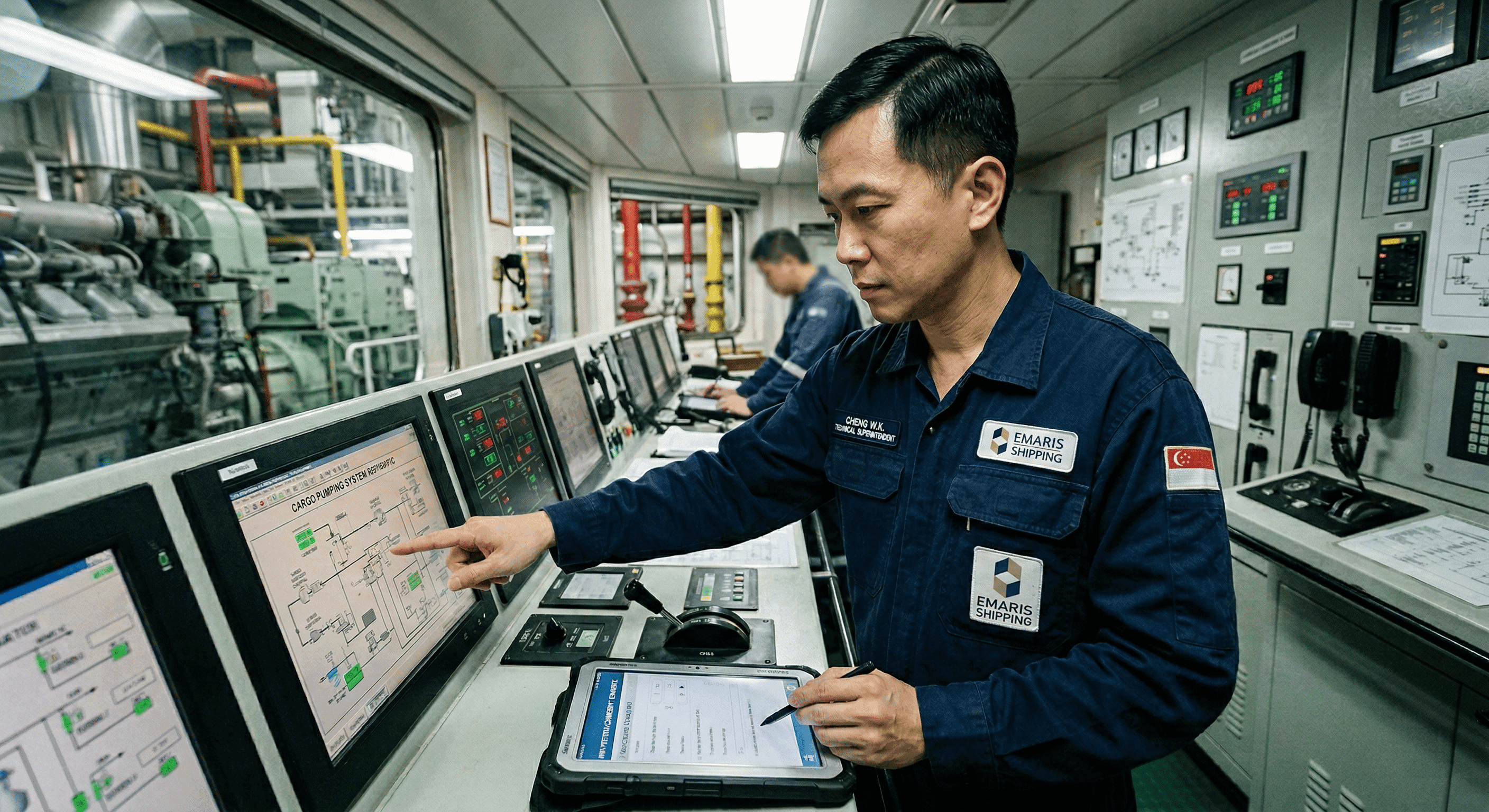
The tanker operating environment has shifted. Inspection depth has increased. Vetting expectations have tightened. Crew turnover remains uneven across regions. Technical failures now escalate faster into commercial consequences.
Port State Control authorities have consistently shown that detention drivers increasingly relate to management system weaknesses and repeat deficiencies rather than isolated technical faults, a trend reflected in Paris MoU Port State Control detention statistics and deficiency analysis.
What worked for a three-vessel fleet in 2018 often fails under 2026 conditions. For tanker operators this is now a structural choice, not a staffing preference: build and maintain an internal technical organisation, or outsource tanker technical management to a specialist partner.
This decision affects operational risk, not just headcount.
What an In-House Technical Team Actually Controls
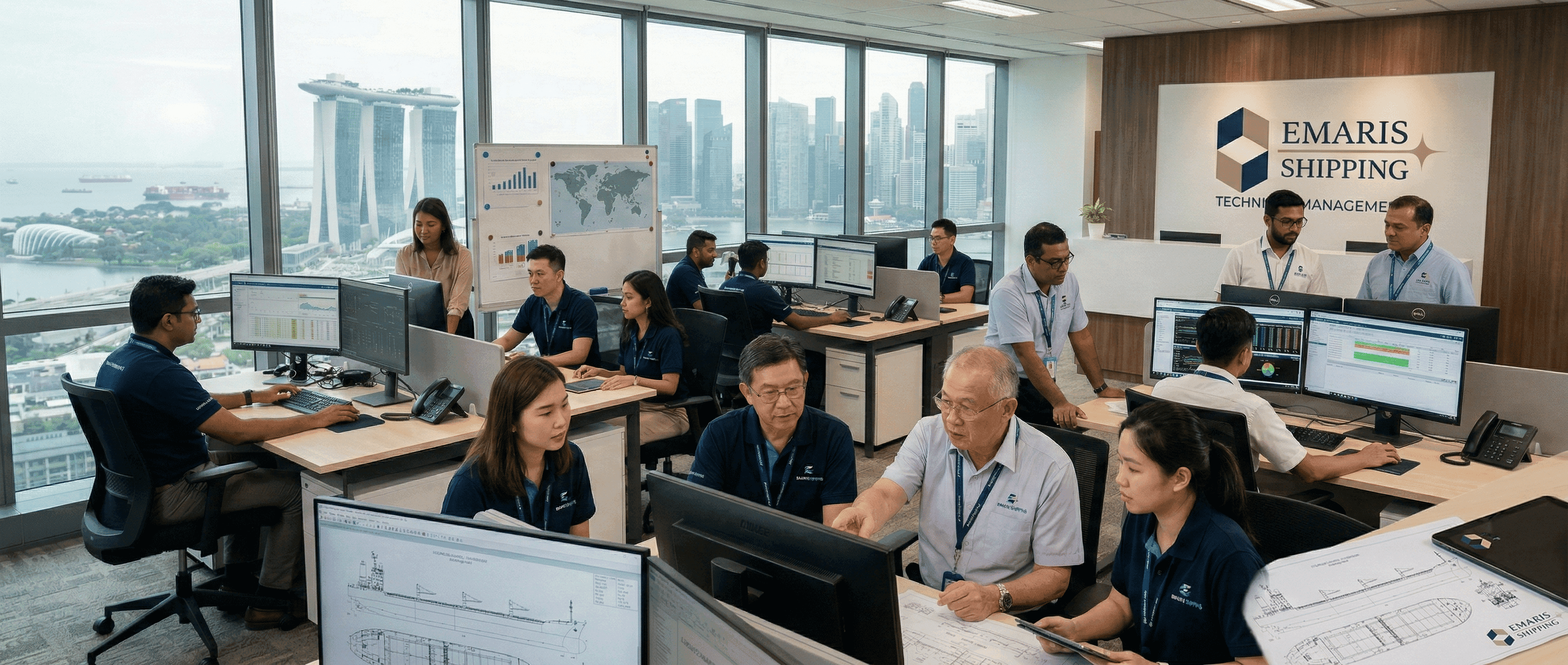
An internal technical team is typically responsible for maintenance planning, defect management, dry docking coordination, class liaison, and safety system enforcement. On paper, this offers direct control and proximity to management decisions.
In practice, in-house teams face constraints that grow as fleets expand.
Strengths of In-House Technical Teams
In-house teams can respond quickly to owner priorities. Budget decisions, trading adjustments, and vessel-specific nuances move faster when technical staff sit within the same organisation.
For small fleets with stable trading patterns, this proximity can reduce communication friction.
Structural Limitations That Surface Over Time
As fleets grow or diversify, internal teams often struggle with consistency. Individual engineers carry institutional knowledge that is difficult to replace. Audit quality depends heavily on personal discipline. Coverage gaps appear during leave, turnover, or peak dry docking periods.
The result is uneven technical execution, which inspectors and vetting bodies identify quickly.
These limitations are often misunderstood, particularly when owners conflate operational management with technical oversight, a gap explored in ship management vs technical management responsibilities.
How Outsourced Technical Ship Management Works in Reality
Outsourced tanker technical management centralises engineering, compliance, and safety oversight across multiple vessels and fleets. Instead of relying on individual expertise, systems and governance carry the load.
This model is not about delegating responsibility away from owners. It is about distributing risk across structured processes.
System Depth Over Individual Knowledge
Outsourced providers operate with documented maintenance standards, audited safety systems, and predefined escalation paths. Vessel data is compared across fleets, not stored in personal spreadsheets.
When a defect appears on one tanker, corrective logic is applied across similar vessels immediately.
This systemic response is difficult to replicate internally without significant overhead.
Inspection Readiness as a Continuous State
External technical managers treat PSC and vetting readiness as ongoing conditions, not event preparation.
Documentation, defect trends, and crew familiarity are reviewed continuously, aligning closely with expectations outlined in SIRE 2.0 compliance preparation for tanker fleets.
This reduces inspection volatility and lowers detention probability.
Cost Comparison: Direct Expense vs Risk Exposure
The Visible Cost of In-House Teams
Internal teams carry fixed costs. Salaries, training, travel, and system licensing remain constant regardless of fleet utilisation. When vessels are idle or sold, costs do not scale down easily.
Hidden costs emerge when turnover forces rehiring or when expertise gaps require external consultants.
The Misunderstood Economics of Outsourcing
Outsourced ship management fees appear higher at first glance. The comparison changes when off-hire incidents, repeat deficiencies, detention delays, and insurance impacts are factored in.
Outsourced technical ship management shifts cost from unpredictable incident response to predictable service delivery.
In 2026, predictability often matters more than marginal savings.
Operational Risk: Where Failures Actually Originate
Operational risk in tanker fleets rarely stems from dramatic failures. It accumulates quietly through deferred defects, inconsistent audits, and procedural drift.
In-house teams tend to prioritise immediate operational demands. Outsourced managers are structurally incentivised to enforce discipline even when it is uncomfortable.
This difference becomes visible during inspections, where patterns matter more than explanations.
Fleet Scalability and Complexity
Scaling an In-House Team
Scaling internal technical teams requires hiring ahead of demand. New vessel types, new flag states, or new trading regions introduce regulatory complexity that takes time to absorb.
During expansion, technical oversight often lags behind commercial growth.
Scaling With an Outsourced Partner
Outsourced tanker technical management absorbs complexity through existing systems. New vessels are onboarded into established maintenance frameworks. Regulatory variations are handled through documented processes rather than ad-hoc interpretation.
This allows owners to scale fleets without proportionally increasing technical risk, particularly where class compliance must align with IACS Unified Requirements governing hull and machinery standards.
Safety Management Outcomes Compared
Safety performance is where the difference becomes measurable.
In-house teams often rely on periodic audits and annual reviews. Outsourced managers operate continuous monitoring across fleets, identifying trends before incidents occur.
Near-miss reporting, corrective action closure, and safety culture reinforcement benefit from comparative fleet data that internal teams rarely possess.
Decision Matrix: When Each Model Makes Sense
An in-house technical team can be appropriate when:
Fleet size is small and stable
Trading patterns are consistent
Regulatory exposure is limited
Senior technical leadership is long-tenured
Outsourced technical ship management becomes more effective when:
Fleets exceed a few vessels
Inspection pressure increases
Charterer vetting intensifies
Expansion or restructuring is planned
The decision should follow risk logic, not tradition.
Where Emaris Shipping Fits in This Comparison
Emaris Shipping operates as a Singapore-based ship management company specialising in tanker and bunker fleets, combining technical management, crew management, bunker operations, and maritime compliance into a single operating model.
This integration reduces the fragmentation that often weakens both in-house teams and poorly structured outsourcing arrangements. Technical oversight, safety execution, and inspection readiness operate under unified governance rather than parallel silos.
For operators evaluating whether to outsource, understanding what a ship management company in Singapore actually does helps clarify where accountability truly sits.
Making the 2026 Decision With Clarity
Choosing between in-house and outsourced tanker technical management is not a cost exercise. It is a risk allocation decision.
In 2026, tanker operators are judged less on intent and more on outcomes. Inspection records, safety trends, and operational consistency define commercial credibility.
The structure that delivers those outcomes most reliably is the one that deserves consideration.
Conclusion
In-house technical teams and outsourced technical ship management solve different problems. One prioritises proximity and control. The other prioritises system discipline and risk reduction.
If your tanker fleet is experiencing recurring deficiencies, inspection pressure, or scaling complexity, engage Emaris Shipping for a technical management review to assess whether your current structure is increasing operational risk or constraining fleet performance.
FAQs About Tanker Technical Management
Is outsourced tanker technical management more expensive than in-house teams?
Direct fees may appear higher, but outsourcing often reduces total cost by lowering off-hire risk, detention exposure, and compliance failures.
Can owners retain control when outsourcing technical management?
Yes. Owners retain strategic control while technical execution, audits, and compliance enforcement are handled by structured systems.
Does outsourcing improve PSC inspection outcomes?
Consistent documentation, defect closure discipline, and continuous readiness improve inspection predictability and reduce detention likelihood.
Is outsourcing suitable for small tanker fleets?
It can be, especially when internal expertise is thin or when fleets operate under multiple flags and trading regions.
What should owners evaluate before outsourcing?
Audit discipline, inspection history, fleet scalability needs, and internal technical resilience should guide the decision.