This blog will walk you through how SIRE 2.0 compliance is actually achieved in practice, why checklists alone fail, and how ship managers prepare vessels to perform under real inspection pressure rather than scripted audits.
For tanker and bunker fleets, SIRE 2.0 is not a paperwork exercise. It is an operational test of culture, decision-making, and safety execution.
Why SIRE 2.0 Changed the Rules for Everyone
SIRE 2.0 was designed to correct a long-standing problem in tanker vetting. Traditional inspections rewarded memorisation and document familiarity. Inspectors could be guided through expected answers. Operators learned how to prepare for the format rather than the intent.
Under SIRE 2.0, the inspection is dynamic. The inspector follows risk pathways, asks situational questions, and evaluates how officers and crew think under normal operating conditions. The goal is to understand how safety is applied when procedures meet reality.
This shift matters because oil majors and charterers increasingly use SIRE outcomes as a proxy for operational risk. A vessel that cannot demonstrate behavioural safety readiness is seen as a commercial liability regardless of its technical condition.
SIRE 2.0 compliance therefore becomes a management problem, not an inspection problem.

What Inspectors Are Really Assessing Under SIRE 2.0
From Static Evidence to Live Decision Making
SIRE 2.0 inspections are built around real operations. Inspectors observe tasks, ask why decisions are made, and follow how risk is identified and mitigated in real time.
They look for:
Whether crew understand the intent behind procedures
How officers assess changing conditions
Whether safety barriers are applied consistently
How deviations are recognised and corrected
This approach aligns with guidance published by OCIMF, which frames SIRE 2.0 as a risk based assessment, not a compliance checklist.Why Checklists Alone Fail
A vessel can be fully compliant on paper and still fail SIRE 2.0 expectations. Inspectors quickly detect when answers are rehearsed rather than understood.
Common failure points include:
Officers unable to explain why a control exists
Crew following procedure steps without recognising hazards
Safety drills performed mechanically with no situational awareness
Records that exist but do not reflect actual operations
This is where ship management either adds value or exposes gaps.
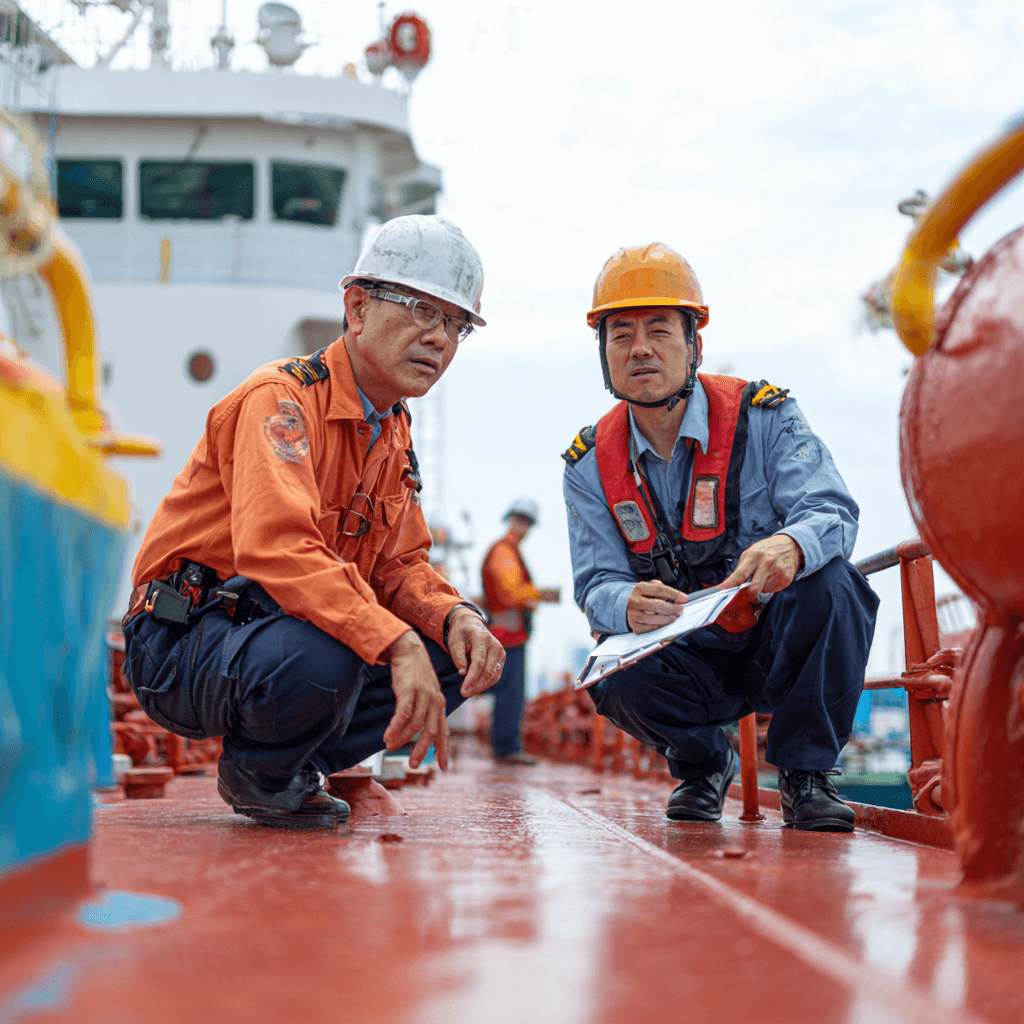
The Role of Ship Managers in SIRE 2.0 Compliance
Compliance Is a Management Outcome
SIRE 2.0 compliance cannot be outsourced to the vessel alone. It requires continuous alignment between shore and ship.
A ship management company assumes responsibility for:
Translating vetting expectations into daily operations
Embedding safety thinking into routine work
Ensuring the Safety Management System is lived, not referenced
Preparing crews to explain decisions, not recite manuals
At Emaris Shipping, SIRE preparation runs as an operational readiness programme, not a sprint before the inspection. This approach is embedded within its broader ship management services framework.
How Ship Managers Prepare Vessels Beyond Checklists
Building Behavioural Readiness, Not Scripted Answers
The most effective SIRE 2.0 preparation starts months before an inspection.
Ship managers focus on:
How officers conduct toolbox talks
How risk assessments are updated during operations
Whether permits reflect real work scope
How near misses are discussed and closed out
These elements are observable during inspection and cannot be faked at short notice.
Aligning the Safety Management System With Reality
SIRE 2.0 places heavy weight on how the Safety Management System operates in practice.
The International Maritime Organization defines ISM compliance as the effective implementation of safety procedures, not their existence.
Ship managers therefore review whether:
Procedures match actual vessel operations
Risk matrices reflect real hazards
Emergency responses are understood across ranks
Management of change is actively applied
ISM compliance becomes dynamic rather than static.
Audit Readiness Is Continuous, Not Event-Based
The Difference Between Inspection Prep and Inspection Readiness
Many operators still prepare for SIRE as an event. Ship managers preparing for SIRE 2.0 take a different stance.
Audit readiness means the vessel can be inspected at any time without special preparation.
This requires:
Consistent operational discipline
Current documentation that reflects reality
Crew confidence in explaining actions
Shore teams aligned with onboard practices
This mindset mirrors how port state control authorities increasingly assess vessels in Singapore and the region under risk based inspection models.
Digital Systems as Enablers, Not Shortcuts
Why Digital Tools Matter Under SIRE 2.0
SIRE 2.0 inspectors often request evidence that spans multiple systems and time periods. Paper records slow responses and increase error risk.
Ship managers therefore deploy digital compliance platforms to:
Maintain single source documentation
Track revisions and approvals
Provide instant access during inspections
Ensure consistency between ship and shore
Emaris Shipping introduced a structured digital compliance environment through its internal platform designed to support inspection readiness and behavioural audits
Digital systems do not replace safety thinking. They remove friction so crews can focus on operations.
Crew Preparation Under SIRE 2.0
Training for Judgment, Not Memory
SIRE 2.0 interviews test how crew think, not what they memorised.
Ship managers, therefore, shift training focus toward:
Scenario-based discussions
Risk identification during routine tasks
Understanding consequences of decisions
Clear articulation of safety rationale
This is especially important for junior officers who are often the first point of interaction during inspections.
Closing the Human Factor Gap
Many SIRE observations stem from human factors rather than technical faults.
Ship managers address this by:
Monitoring fatigue management practices
Reviewing workload distribution
Encouraging challenge culture onboard
Reinforcing stop work authority
These behaviours cannot be introduced days before an inspection. They require consistent reinforcement.
Why SIRE 2.0 Hits Bunker and Tanker Fleets Harder
Singapore-based bunker and tanker fleets operate under constant visibility. Inspections are frequent. Charterers are risk-sensitive. Vetting outcomes directly affect employment.
In this environment, SIRE 2.0 becomes a commercial gatekeeper.
Ship managers supporting bunker fleets integrate vetting readiness with daily operations such as bunkering procedures, cargo handling, and mooring practices.
Common Mistakes Ship Managers Still Make
Treating SIRE 2.0 as an Enhanced Checklist
Some managers update procedures and assume readiness. Inspectors quickly identify gaps between documented process and actual behaviour.
Over coaching Crew Before Inspection
Excessive coaching leads to scripted answers. Inspectors probe deeper and expose lack of understanding.
Ignoring Shore Side Alignment
SIRE 2.0 inspectors may question shore staff decisions and escalation pathways. Misalignment between ship and shore weakens credibility.
What Effective SIRE 2.0 Preparation Looks Like
Effective preparation produces vessels where:
Crew speak confidently about risk
Procedures reflect real operations
Documentation supports behaviour
Shore teams reinforce onboard decisions
This outcome is the result of management structure, not inspection timing.
Conclusion
SIRE 2.0 compliance is not achieved through better checklists. It is built through operational discipline, behavioural safety, and continuous audit readiness.
Ship managers who treat SIRE 2.0 as an extension of safety management gain more than passing inspections. They gain charterer confidence, operational resilience, and long term fleet credibility.
If your fleet operates in high scrutiny environments, preparing beyond checklists is no longer optional.
Speak with Emaris Shipping to assess how your vessels can be prepared for SIRE 2.0 at an operational level, not just an inspection level.
FAQs About SIRE 2.0 Compliance
What is SIRE 2.0 compliance in practice?
SIRE 2.0 compliance means demonstrating how safety decisions are made and applied during real operations, as defined by OCIMF vetting standards.
How is SIRE 2.0 different from previous SIRE inspections?
It focuses on behavioural assessment, crew judgment, and live operations rather than static document review.
Does ISM compliance guarantee SIRE 2.0 success?
No. International Maritime Organization defines ISM compliance as effective implementation, which must be demonstrated during SIRE 2.0 inspections.
How long does proper SIRE 2.0 preparation take?
Meaningful preparation is continuous. Most ship managers begin aligning operations several months before inspection windows.
Why is ship management critical for SIRE 2.0?
Because SIRE 2.0 evaluates operational behaviour, which falls under ship management responsibility rather than technical management alone.