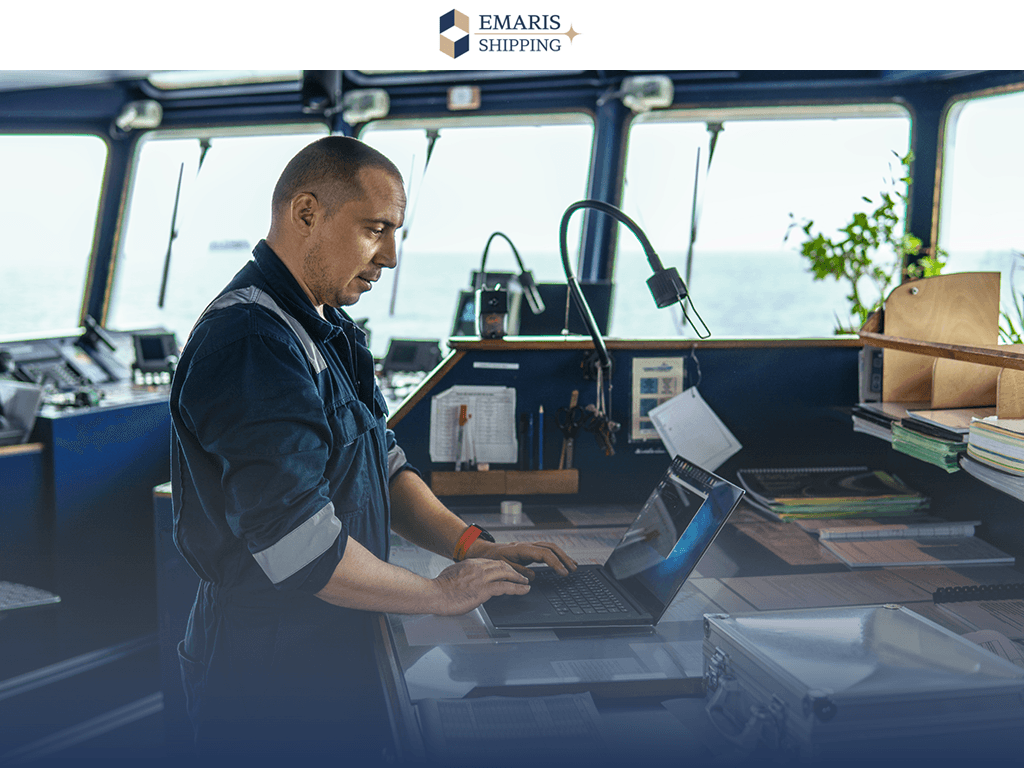
This blog will walk you through what a ship management company Singapore does, why its role is critical for modern maritime operations, and how effective ship management drives compliance, safety, and uptime for vessel owners and operators.
Within international shipping, commercial success depends on more than just chartering and fuel. A ship’s operational readiness, regulatory compliance, and safety performance are the difference between profitable voyages and unforeseen downtime. At the centre of this ecosystem sits the ship management provider: a technically specialised, regulation-savvy partner that translates maritime standards into reliable, repeatable operational outcomes.
What Is a Ship Management Company?
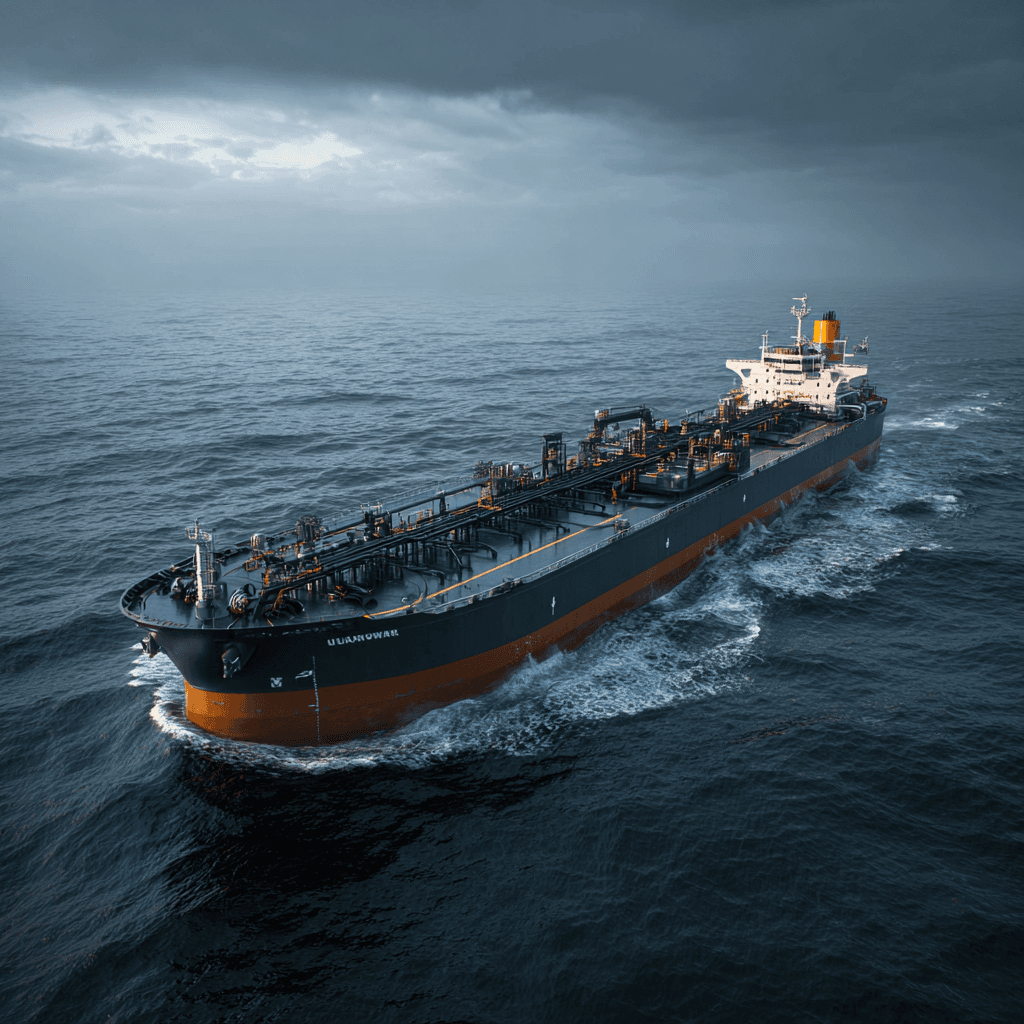
A ship management company is a specialised maritime services provider that oversees the day-to-day technical, safety, and operational demands of a vessel on behalf of the owner. This includes maintaining mechanical and structural integrity, staffing with trained seafarers, meeting regulatory inspections, and ensuring continuous at-sea performance.
In Singapore, the strategic location of regional sea routes and one of the world’s largest bunkering hubs places a premium on expert ship management services. These companies are legal and operational anchors: they ensure that every voyage from Singapore waters to global trade lanes meets safety, environmental, and regulatory standards.
The term ship management services spans a matrix of linked capabilities, including technical maintenance, crew management, compliance systems, and performance reporting: all designed to protect vessel value and uptime.
Why Ship Management Matters: Compliance, Safety, and Uptime

Shipping is governed by multiple layers of international law and inspection regimes. A ship management company translates these abstract rules into daily practices that minimise risk. It’s not optional; proper management directly correlates with vessel availability and commercial viability.
Meeting Regulatory Expectations
International and flag state regulations, including the ISM Code and MARPOL standards, require documented safety systems and evidence of execution. Ship managers embed compliance into everyday work flows so that vessels operate within legal boundaries and pass audits. This reduces the risk of detentions, fines, or trading restrictions.
The International Maritime Organization’s ISM Code framework defines how ship operators must establish safety management systems covering emergency preparedness, pollution prevention, and continuous improvement, making it a foundational reference point for all professional ship management operations
For example, many compliance frameworks now favour digital documentation and evidence over paper processes. A more sophisticated ship management partner will introduce tools that centralise manuals, version histories, and inspection evidence, enabling compliance readiness that aligns with current industry inspection logic.
Preventing Unsafe Operations
Safety isn’t a box to tick; it’s a disciplined system that anticipates human and mechanical failures before they occur. A ship management company designs and enforces safety check lists, drills crew on emergency procedures, and implements feedback loops from incidents to shore-side operations.
This approach aligns with global safety guidance issued by the International Maritime Organization, which emphasises that consistent implementation of safety systems is essential to preventing marine casualties and pollution incidents across commercial fleets
Because even a single avoidable incident can lead to catastrophic loss or environmental harm, the value of expert oversight can’t be overstated.
Maximising Fleet Uptime
Ships generate revenue only when moving cargo. Every hour a vessel is off-hire for maintenance, repairs, or non-conformance penalties is revenue lost. A strong ship management provider applies scheduled maintenance programmes, predictive analytics, and continuous performance monitoring to reduce unscheduled downtime. This drives uptime and extends asset life.
Core Responsibilities of a Ship Management Company
The operational role of a ship management company can be grouped into interlinked capabilities that collectively safeguard a vessel’s performance.
Technical Management
Technical management is the backbone of a ship manager’s role. It includes maintaining mechanical systems, tracking wear and tear, planning dry docking, and ensuring all equipment complies with class and flag requirements.
At Emaris Shipping, this function involves:
Planned Maintenance Systems that schedule tasks based on condition and manufacturer specs.
Dry Docking Supervision where dock tasks are planned, executed, and reviewed for quality.
Class and Flag Compliance Tracking that anticipates mandatory surveys rather than reacting to lapses.
Machinery Monitoring that detects anomalies before failures occur.
Inventory Management to ensure critical spares are on hand without inflating costs.
This systematic approach turns routine technical tasks into measurable uptime performance.
Safety Management Systems (SMS)
Every vessel must operate under a Safety Management System (SMS) compliant with the International Safety Management (ISM) Code. An effective SMS does more than file paperwork; it codifies how crew responds to hazards, prevents pollution, conducts drills, investigates incidents, and captures lessons learned across a fleet.
Quality ship managers build culture and systems that keep safety at the centre of daily decisions, not just quarterly audits. This makes vessels safer and ensures inspectors find consistent evidence of practice, not theoretical compliance.
Crew Management
Crew competence is another determinant of performance. A vessel fully crewed with certified, competent professionals reduces errors, resolves challenges faster, and executes operations with fewer disruptions. Crew management functions include:
Seafarer recruitment based on rigorous standards.
Certification tracking and renewal management.
Competency development tied to operational roles.
Wellbeing support to sustain long-term performance.
Crew turnover and fatigue are leading contributors to mishaps. Good management anticipates these human factors and mitigates them through structured planning.
Inspection and Pre-Vetting Preparation
Inspections from external bodies, including vetting programmes and port state controls, have intensified their focus on evidence, human response, and dynamic risk profiles. Modern inspection regimes incorporate interactive evaluation, data access, and scenario drills. Managers prepare vessels for these inspections by aligning records, training crew, and digitising documentation.
For detailed insight on how digital tools support compliance and inspection readiness, see how Emaris Shipping approaches compliance with SIRE 2.0 inspection logic in an operational context.

How Modern Ship Management Uses Digital SystemsDigitalisation isn’t just a trend; it’s a structural shift in maritime operations. Digital tools help consolidate manuals, version control, and performance metrics in a way that traditional paper systems cannot.
Platforms like Progressive Web Applications (PWAs) allow crews and shore teams to access safety manuals and inspection evidence even when connectivity is limited. This ensures consistency between ship and shore personnel and reduces errors during inspections or emergency responses.
Digital systems also deliver real-time fleet insights that alert managers to maintenance opportunities, operational anomalies, and compliance gaps before they escalate into incidents.
Ship Management in Singapore’s Strategic Maritime Context
Singapore is one of the world’s most active bunkering and transhipment hubs, holding a privileged position in the global supply chain. As a result, ship management companies based there serve regional clients and help shape compliance and safety standards used across Asia’s maritime network.
A Singapore-based ship management provider offers location advantages, such as proximity to regulatory authorities, access to crew training facilities, and responsiveness to inspection regimes that are both rigorous and evolving. These regional dynamics means specialised partners can respond faster to fleet needs and integrate local best practices into global operations.
Choosing the Right Ship Management Partner
Selecting a ship management company Singapore requires evaluating:
Technical depth and experience with vessel types similar to your fleet.
Proven frameworks for safety, maintenance, and compliance.
Digital systems that support real-time operations and inspection readiness.
Crew management practices that produce measurable performance outcomes.
A culture aligned with transparency, accountability, and continuous improvement.
For a full overview of comprehensive services aligned with these expectations, see the ship management capability page at Emaris Shipping services overview.
Conclusion
A ship management company Singapore does more than maintain vessels. It embeds structured safety systems, enforces global compliance standards, ensures technical integrity, and orchestrates human capital to deliver measurable uptime and reduced risk.
If your vessel’s safety, regulatory readiness, and operational efficiency are strategic priorities, partnering with an experienced ship manager transforms uncertainty into predictable performance.
Contact Emaris Shipping to explore how professional ship management can safeguard your fleet’s performance and compliance outcomes without compromise.
Frequently Asked Questions
What services does a ship management company provide?
A ship management company provides technical maintenance, safety systems oversight, crew recruitment and management, regulatory compliance preparation, and inspection readiness for vessel owners. Continuous oversight improves reliability and uptime.
How does ship management ensure compliance with inspections?
Ship managers align safety documentation, conduct drills, track maintenance history, and digitise records so that inspectors can trace procedures with evidence rather than paperwork. That approach supports readiness for dynamic inspection regimes.
Why choose a Singapore-based ship management firm?
Singapore’s strategic maritime infrastructure, regulatory environment, and proximity to global trade routes make it an ideal base for ship management services that demand both regional responsiveness and international compliance.
Can digital systems improve fleet operations?
Yes. Digital compliance platforms reduce manual errors, unify ship and shore records, and ensure real-time access to critical documents even with limited connectivity.
Is crew management part of operational safety?
Crew competency and welfare are central to operational safety, as trained and certified teams reduce human error and perform consistently under pressure.