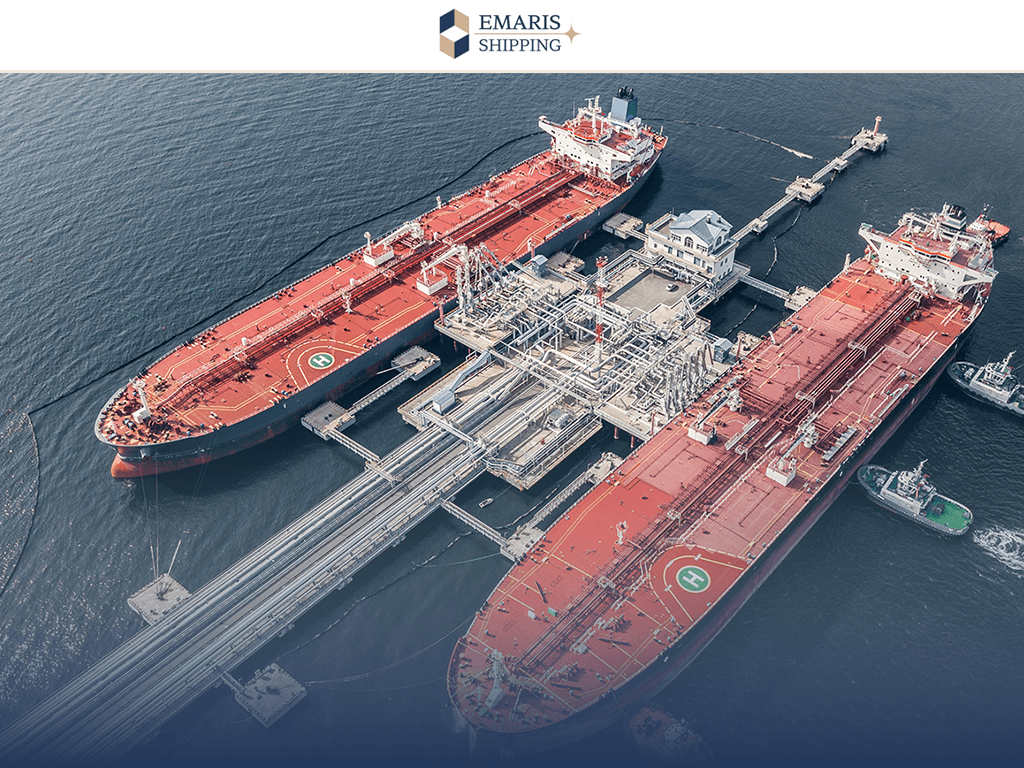
A vessel technical management company exists to keep ships operational, compliant, and mechanically reliable across their full trading lifecycle. This blog will walk you through what technical ship management services actually cover for tanker fleets, how responsibilities are structured in practice, and what outcomes owners should expect when technical control is handled properly.
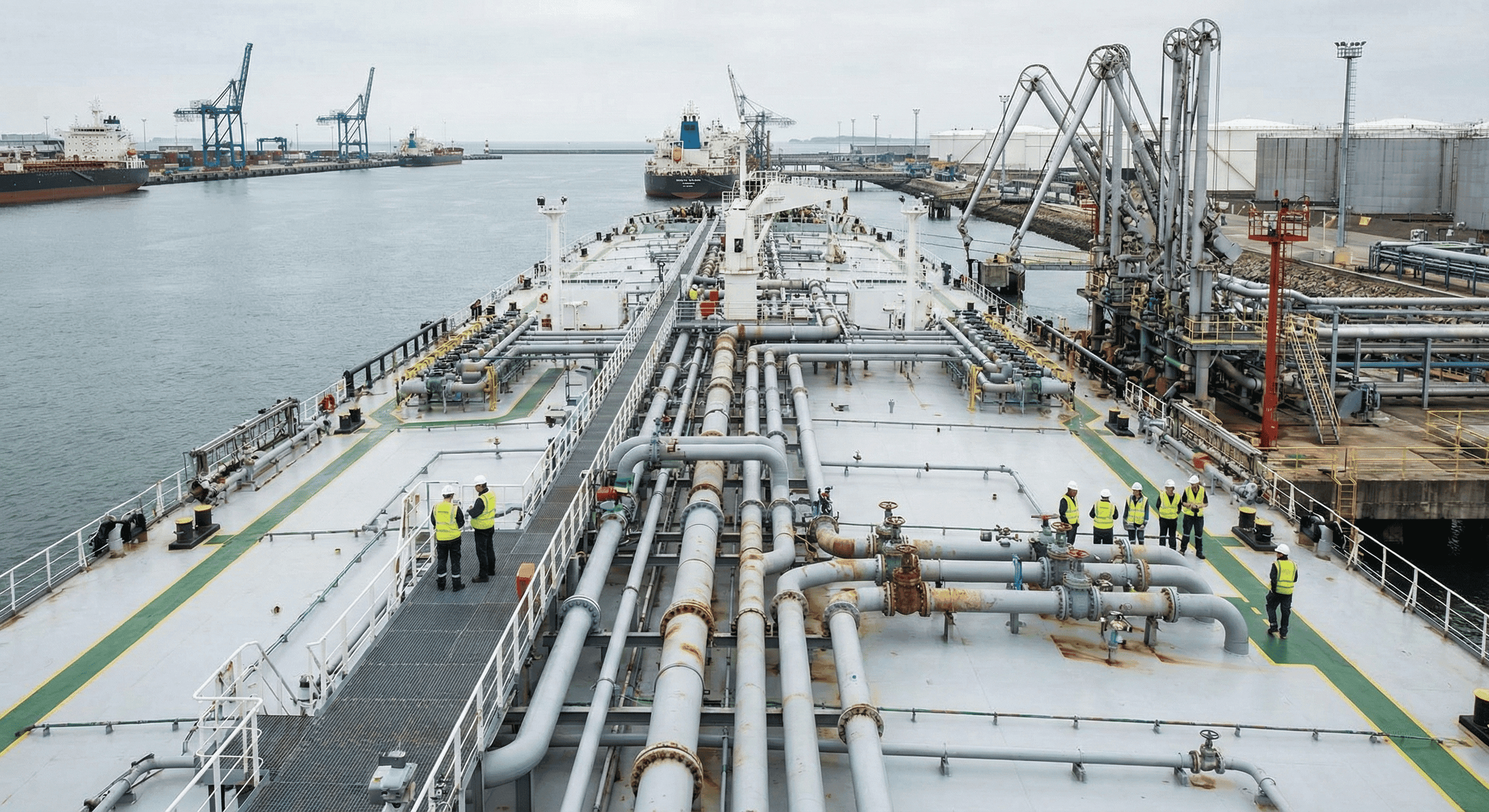
Why Tanker Owners Rely on a Vessel Technical Management Company
Tanker fleets operate under tighter scrutiny than most commercial vessels. Cargo risk, environmental exposure, and inspection frequency leave little room for error. Owners do not outsource technical management to reduce involvement. They do it to impose discipline, visibility, and control where complexity would otherwise fragment decision-making.
A competent vessel technical management company functions as the owner’s engineering and compliance arm. It translates commercial intent into safe execution onboard. This includes maintenance planning, system reliability, dry docking control, regulatory readiness, and technical risk management across the fleet.
For owners trading into Singapore and major bunkering hubs, this role becomes even more defined. Local authorities, port state control regimes, and vetting inspectors expect systems to work as designed, records to align with reality, and crews to demonstrate competence under pressure.
What Technical Ship Management Actually Covers in Practice
Maintenance Is Not the Job. Control Is.
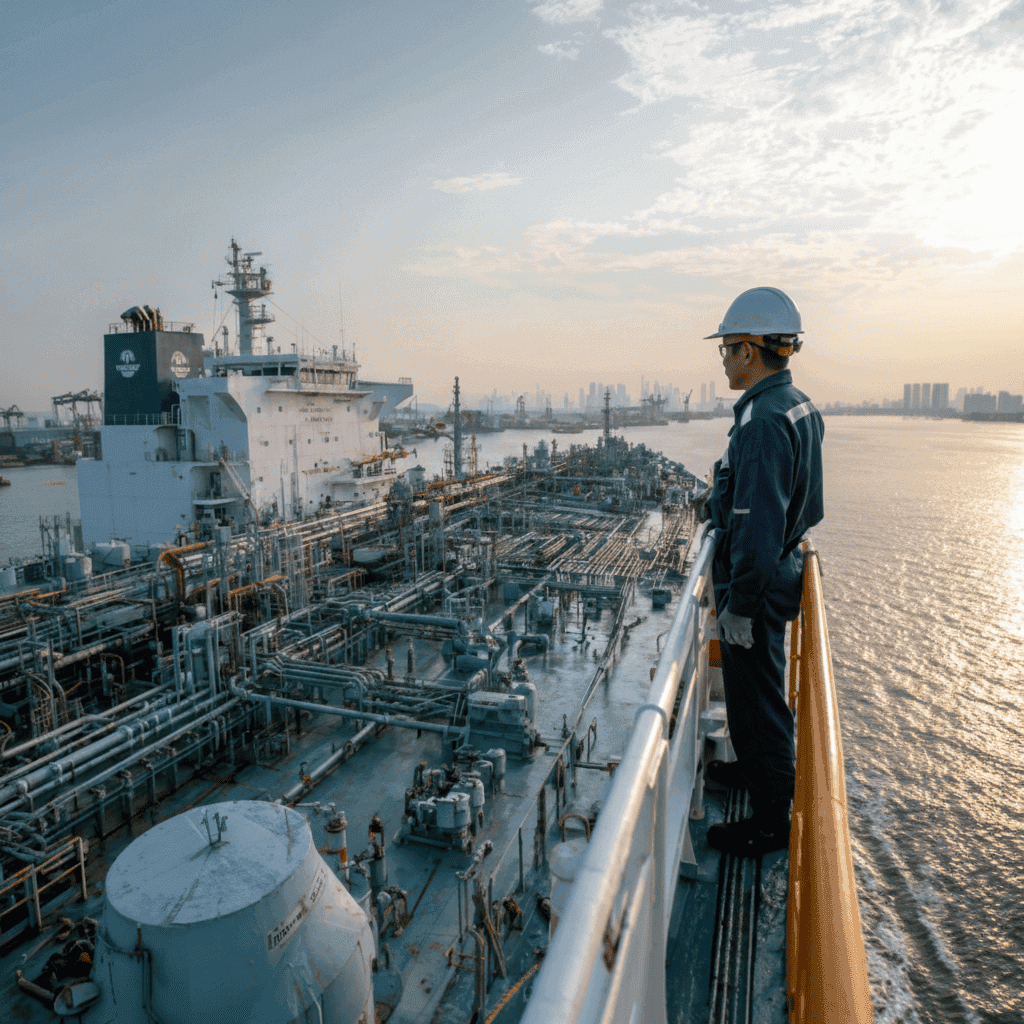
Many owners assume technical ship management services revolve around fixing breakdowns. That assumption misses the point. The real value lies in preventing failure through structured control systems.
A vessel technical management company designs and enforces a Planned Maintenance System that governs how machinery, safety equipment, and structural components are inspected, serviced, and renewed. This system defines maintenance intervals, spare part thresholds, approval workflows, and verification standards.
When a tanker experiences a machinery fault, the technical manager already has context. Historical data shows prior defects, part lifecycles, crew interventions, and vendor performance. Decisions are made with evidence, not urgency.
How Planned Maintenance Systems Work on Tankers
A properly run Planned Maintenance System does more than schedule tasks. It links operational risk to engineering decisions.
For tanker fleets, this includes:
Main engine and auxiliary engine maintenance cycles aligned with trading patterns
Cargo pump and valve servicing based on cargo type exposure
Ballast system inspections tied to corrosion risk
Safety-critical equipment tracked with zero tolerance for overdue tasks
When class surveyors or port inspectors review records, the system demonstrates intent, execution, and verification. This is the difference between passing inspections smoothly and being detained over documentation gaps, particularly during structural and machinery surveys governed by IACS Unified Requirements for hull and machinery standards.
Dry Docking Management Is a Strategic Function
Dry docking is where technical competence is exposed. Costs escalate quickly when scope is unclear or execution is weak.
A vessel technical management company takes ownership of dry docking management from planning through close-out. This includes:
Defining repair scope based on condition data, not assumptions
Aligning class survey requirements with owner budgets
Selecting yards based on vessel type and risk profile
Supervising work quality and deviation control on site
Verifying completion against class and statutory standards
For tanker fleets, dry docking decisions influence operational availability, charter commitments, and future inspection outcomes. Poorly managed dockings create downstream failures that surface months later under trading pressure.
Good technical managers treat dry docking as a lifecycle intervention, not a one-off event. For deeper guidance on inspection readiness tied to technical planning, see SIRE 2.0 Compliance: How Ship Managers Prepare Beyond Checklists.
Technical Audits Are About Reality, Not Paper
Internal Audits That Expose Real Risk
Technical audits sit at the intersection of safety, engineering, and compliance. When done properly, they reveal gaps between written procedures and actual onboard practice.
A vessel technical management company conducts technical audits that examine:
Machinery condition versus maintenance records
Safety equipment readiness versus checklist compliance
Crew familiarity with systems they operate daily
Defect reporting integrity and closure discipline
These audits are not box-ticking exercises. Findings are ranked by operational risk. Corrective actions are tracked until closure, and trends are analysed across the fleet.
Preparing for External Inspections
External inspections from port state control, vetting inspectors, and class societies are predictable. What varies is readiness.
Technical managers prepare vessels by aligning documentation, system condition, and crew awareness ahead of inspections. This is especially critical for tankers subject to OCIMF vetting, where inspection outcomes directly affect charter eligibility under the OCIMF SIRE and SIRE 2.0 inspection programme standards.
Safety Management Systems Are Enforced, Not Filed Away
Every tanker operates under a Safety Management System. The difference lies in whether that system is alive.
A vessel technical management company enforces the Safety Management System through:
Incident investigation rooted in engineering logic
Near-miss reporting tied to preventive action
Drill performance reviews that test realism
Feedback loops that update procedures when reality changes
On tanker fleets, safety failures often originate from weak system ownership. Technical managers bridge shore and ship so lessons learned translate into mechanical or procedural change.
Technical Management and Regulatory Readiness
Compliance Is Continuous
Regulatory readiness does not begin when an inspector boards the vessel. It is built daily through system discipline.
Technical ship management services maintain continuous alignment with:
International Safety Management Code requirements
MARPOL environmental controls
Flag state technical circulars
Class rules for hull and machinery
For tankers trading through Singapore, compliance expectations are consistent and unforgiving. Records must reflect real condition. Systems must function under test. Crews must answer questions without hesitation.
Technical managers ensure this alignment holds under operational stress.
Data, Reporting, and Owner Visibility
Owners do not need more reports. They need clarity.
A vessel technical management company provides structured reporting that links engineering performance to commercial outcomes. Typical reporting includes:
Maintenance backlog risk
Technical off-hire exposure
Defect recurrence trends
Dry docking cost variance
Safety incident frequency with causal analysis
This reporting enables owners to intervene early, adjust budgets, or change operational strategy with confidence.
Where Emaris Shipping Fits in Technical Management
Emaris Shipping operates as a Singapore-based technical ship management company supporting tanker and bunker fleets across maintenance control, compliance readiness, and operational oversight.
The company integrates technical management with crew management, bunker fleet operations, and maritime compliance to ensure systems, people, and procedures function as a single operating model. This approach reduces fragmentation and strengthens accountability across fleet operations.
For a view of how integrated services link technical and operational readiness, consult Ship Management Company Singapore Explained.
How to Evaluate a Vessel Technical Management Company
Choosing a technical manager is a risk decision.
Owners should assess:
Depth of engineering leadership and tanker experience
Maintenance system maturity and data quality
Dry-docking supervision capability
Audit methodology and follow-through
Transparency in reporting and cost control
The wrong technical manager creates hidden risk that surfaces during inspections, failures, or incidents. The right one reduces uncertainty and protects asset value.
Conclusion
A vessel technical management company does not exist to react to problems. It exists to prevent them through disciplined systems, informed oversight, and continuous readiness.
For tanker fleets, technical ship management services protect safety, compliance, and commercial reliability at the same time.
If you are evaluating technical management for your tanker fleet, speak with Emaris Shipping to understand how structured technical control reduces risk before it becomes visible.
FAQs About Vessel Technical Management Company
What does a vessel technical management company handle daily?
It oversees maintenance execution, system condition, safety management systems, dry docking planning, and regulatory readiness so tanker operations remain stable and compliant.
How is tanker technical management different from general ship management?
Tanker technical management focuses on cargo systems, environmental risk, inspection exposure, and safety-critical machinery that require tighter control and specialised expertise.
Do technical ship management services reduce operating costs?
Yes, by preventing breakdowns, avoiding detention, and controlling dry docking scope, technical management reduces unplanned costs over the vessel lifecycle.
Who is responsible during a port state inspection?
The vessel remains responsible, but the technical management company ensures systems, records, and crew readiness meet inspection standards.
Is technical management relevant for small tanker fleets?
Fleet size does not reduce complexity. Smaller fleets often benefit more from structured technical oversight due to limited internal engineering resources.