Technical ship management in Singapore centres on ensuring that tanker operators maintain vessel integrity, regulatory compliance, and operational control from port to open sea. This blog will walk you through how a professional technical ship management partner delivers structured oversight, controls safety systems, and protects asset value through disciplined engineering and compliance frameworks.
What “Technical Ship Management” Means for Tanker Owners
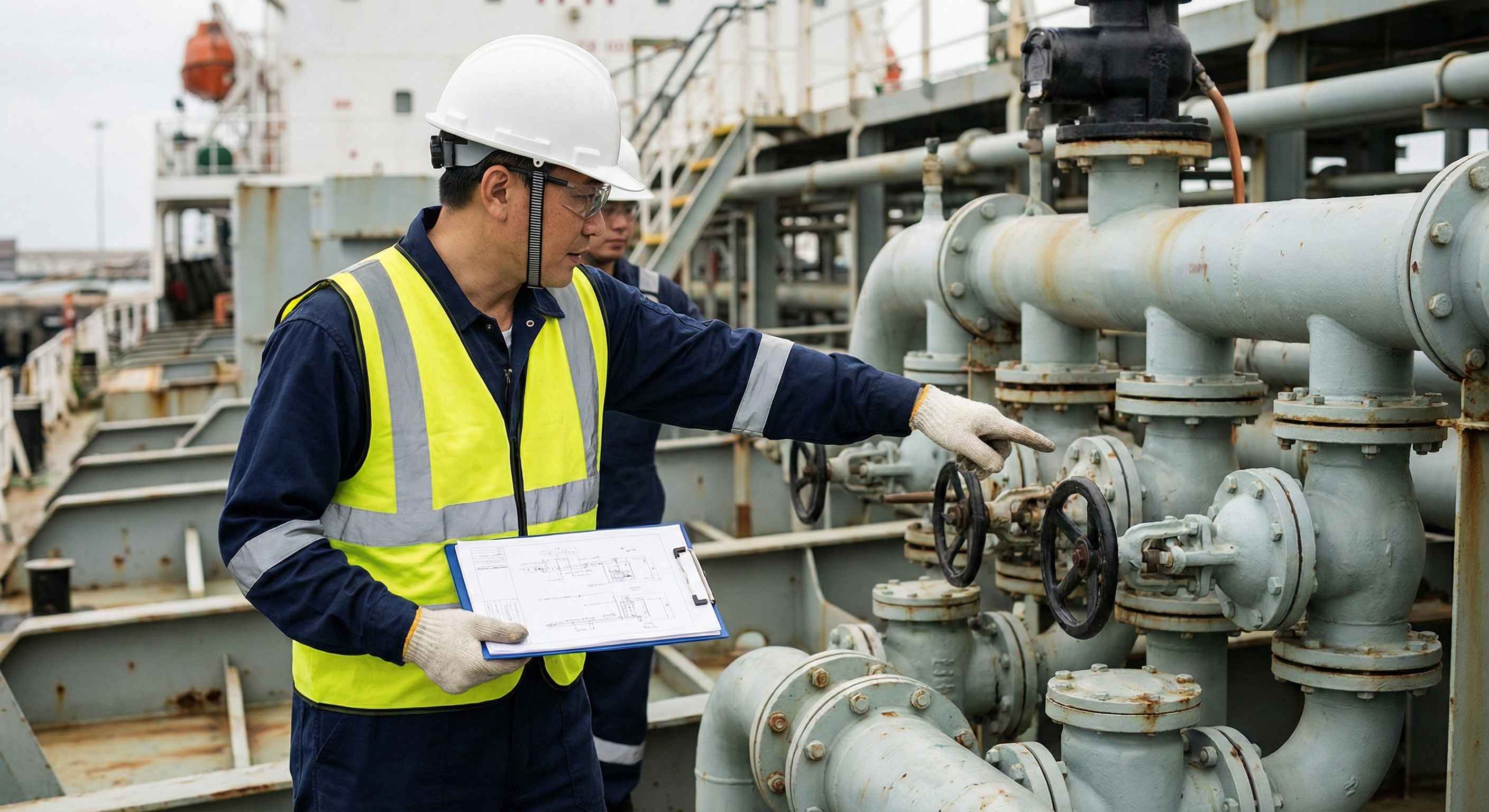
Technical ship management refers to the structured, ongoing oversight of a vessel’s physical condition, machinery systems, and safety performance so that owners can maximise operational uptime and regulatory readiness. In the tanker segment, this means specialised stewardship of hull integrity, cargo systems, engine rooms, and safety management systems that meet international and flag state obligations.
At its core, technical ship management combines engineering discipline, maritime regulatory compliance, and proactive planning to anticipate and mitigate risks before they become incidents.
In Singapore, the ecosystem of tanker operations dovetails with stringent maritime rules such as the International Safety Management (ISM) Code and Port State Control regimes enforced by the Maritime and Port Authority of Singapore (MPA) and flag administrations. Singapore’s position as a global bunkering and tanker transshipment hub intensifies expectations for reliability and safety. Professional technical ship management bridges the gap between ownership ambitions and operational reality.
Why Tankers Require Dedicated Technical Management
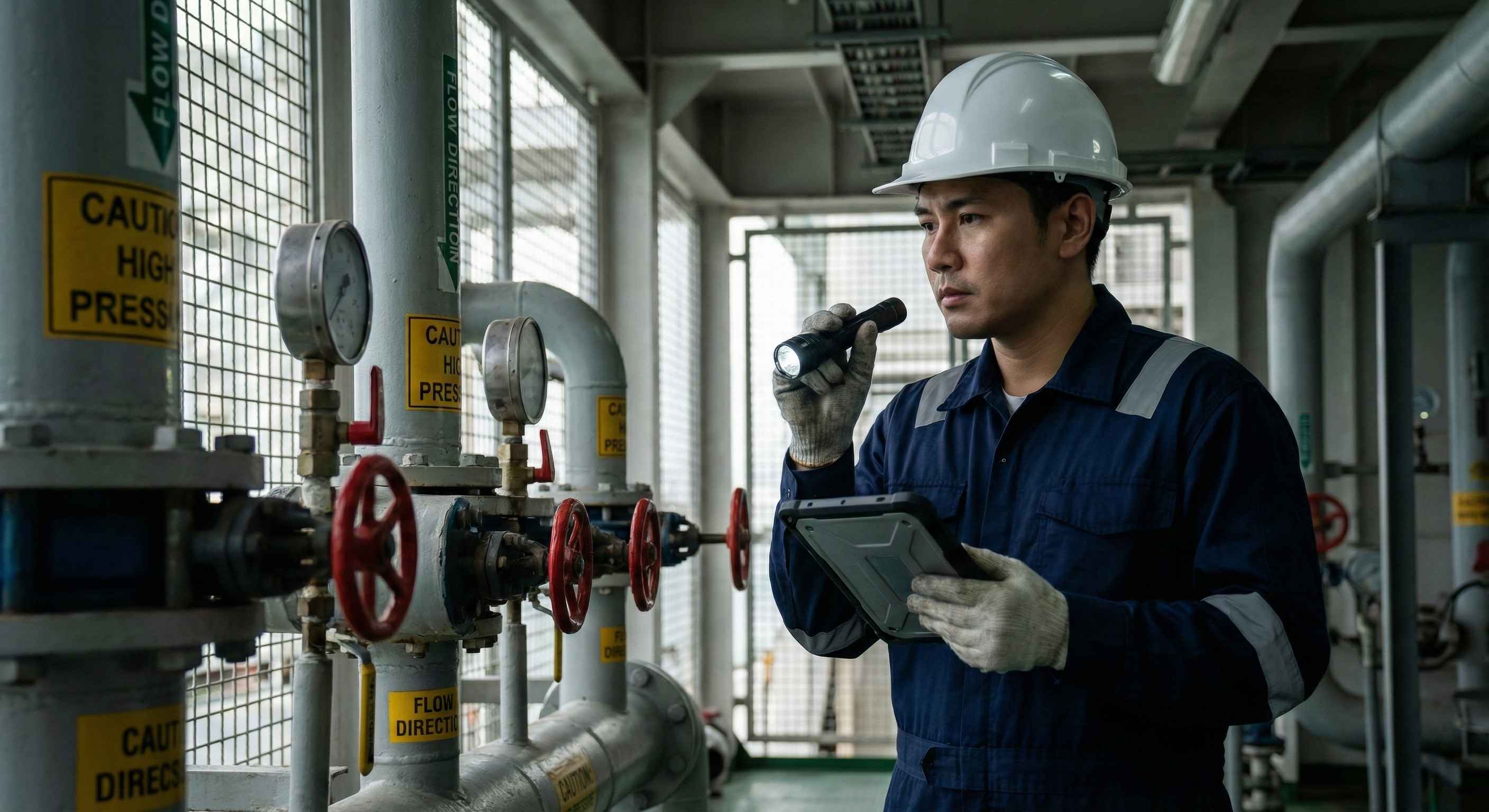
Tankers are specialised assets carrying flammable or hazardous liquids. Unlike general cargo vessels, they operate complex pump systems, segregated ballast systems, and volatile cargo spaces that demand precise maintenance and regulatory oversight. The consequences of failure, environmental damage, cargo loss, or crew harm are severe.
In this environment, technical ship management serves three core requirements:
1. Maintenance and Asset Reliability
Technical management implements structured maintenance planning and execution to prevent failures across propulsion systems, cargo pumps, ballast systems, and safety-critical machinery. Disruptions like unplanned engine room breakdowns or control system failures have outsized operational costs.
Through digital Planned Maintenance Systems (PMS), tankers track service intervals, parts inventory, and failure trends with precision. These systems, updated in real time, mean refits and repairs follow a predictable schedule rather than reacting to breakdowns.
2. Regulatory Compliance and Readiness
Singapore-flagged vessels and those frequenting Singapore waters must maintain compliance with ISM Code, MARPOL environmental rules, STCW crew standards, and flag state statutes. Technical managers schedule class surveys, statutory audits, and regulatory inspections to ensure certificates remain valid and that deficiencies are resolved swiftly. This reduces the likelihood of costly Port State Control detentions.
This level of preparedness reduces exposure during inspections conducted under frameworks such as the IACS Unified Requirements for hull structure and machinery systems, which govern how class societies assess vessel integrity and technical condition.
3. Safety and Risk Management
Safety for tanker vessels means more than ticking boxes. It means embedding a safety culture that reinforces hazard recognition, incident reporting, root-cause investigation, and systemic actions that prevent repeat occurrences. A well-run Safety Management System (SMS) supported by usable data and crew engagement is the foundation for safer operations and lower risk.Professional technical managers help owners navigate these tightly coupled priorities without compromising operational efficiency.
How Singapore Ship Management Companies Deliver Technical Oversight
Singapore’s maritime services sector is structured around a mix of local expertise, global standards, and digital capability. A vessel technical management company in Singapore typically combines the following capabilities:
1. Structured Maintenance and Dry Dock Planning
Technical management teams begin by integrating a digital PMS that organises maintenance calendars, spares requirements, and vendor partnerships. Ships follow a disciplined regime where every pump overhaul, engine inspection, and safety valve calibration is scheduled, documented, and verified.
Dry docking is planned well in advance with class societies (Lloyd’s Register, DNV, ABS) and flag state surveyors. Survey windows, required repairs, steel renewals, and regulatory upgrades are sequenced so that vessel downtime is minimised and compliance certificates renewed without delay.
This proactive cycle of planning, execution, and review keeps tankers in top operational condition and eliminates surprises that erode profitability.
2. Safety Management Systems Aligned with ISM and SMS Standards
An effective Safety Management System incorporates policies, procedures, communication protocols, and incident reporting standards that align with ISM Code requirements. Proven frameworks for operational SMS include audit trails, closed-loop corrective action tracking, and easily accessible manuals that crew can reference during operations and inspections.
Senior technical managers oversee SMS implementation across the fleet and enforce rigour through internal audits, safety drills, and behaviour-based safety conversations.
3. Reporting and Performance Analytics
Owners require visibility. Monthly technical reports include performance indicators such as:
Machinery reliability trends
Planned vs unplanned maintenance
Fuel and lubricant oil consumption variances
Safety incident statistics
Budget vs actual maintenance spend
These reports provide owners with a fact-based view of vessel health, cost drivers, and risk exposures. With this insight, owners make informed commercial and operational choices.
Digital Tools Powering Modern Technical Management
Technical ship management has evolved beyond paper manuals and checklists. Digital platforms now unify safety, crew, and maintenance data into coherent dashboards that provide near real-time visibility into fleet performance.
For example, digital compliance & operational systems allow for:
Electronic Safety Management System (SMS) with version control and audit logs
Integrated PMS linked to inventory and ordering systems
Crew certification tracking with expiry and competency alerts
Incident reporting with risk scoring and trend analytics
These digital capabilities ensure that every regulatory bulletin, safety circular, and inspection finding is accessible across ship and shore. This alignment reduces downtime, improves audit outcomes, and enhances operational certainty.
Read more about how digitalised operational platforms improve fleet oversight: Digital Compliance & Operational Systems.
Integrating Crew Competence into Technical Safety
Technical ship management extends beyond hardware and systems. Crew competence is integral to safe and compliant tanker operations. Technical managers partner with crewing professionals to ensure that:
Crew certifications meet STCW requirements
Tanker-specific safety training is completed
Competency gaps are identified and filled
Onboard drills reflect real scenarios, not theoretical models
This focus on crew readiness helps vessels achieve better inspection outcomes and reduces human error, which remains a top risk factor in tanker incidents.
Tailoring Technical Management to Tanker Risk Profile
Every vessel class has its unique risk profile. Tankers face distinct hazards such as cargo vapour management, ballast water handling, pump room pressures, and inert gas system failures. Technical management frameworks reflect this by building tailored plans that emphasise:
Specialised systems like inert gas, cargo heating coils, and cargo transfer pumps
Hazard-specific maintenance checklists
Risk scoring for high-impact systems
Redundant monitoring where failure has major safety or environmental consequences
This risk-aligned approach ensures vessel resilience and supports compliance with both national and international maritime regulations.
Compliance Preparedness for Singapore and Beyond
Singapore is rigorous in enforcing international standards through regulatory oversight and Port State Control regimes. Technical ship managers maintain readiness by aligning shipboard operations with key compliance frameworks, including:
International Safety Management (ISM) Code
International Ship and Port Facility Security (ISPS) Code
MARPOL environmental conventions
Flag state safety and certification requirements
These standards are integrated into daily operations and verified through scheduled audits, inspections, and pre-vetting preparations. Such rigour protects owners from detentions and penalties, and it builds insurer confidence and charterer trust.For insights into broader ship management scope and common owner misconceptions, see Ship Management vs Technical Management: What Shipowners Get Wrong.
Selecting a Technical Ship Management Partner in Singapore
Owners seeking technical ship management support should prioritise partners that demonstrate:
Deep technical competence in engineering, regulatory standards, and compliance
Structured processes backed by data, tools, and documented practice
Safety culture reflected in measurable performance outcomes
Transparent reporting that gives owners operational visibility
Experienced leadership with maritime and class survey backgrounds
A strong technical manager does not just maintain assets; it delivers assurance to owners that safety, compliance, and operational control are sustained under all conditions.
Conclusion
Technical ship management in Singapore is a strategic discipline that sustains tanker safety, regulatory compliance, and operational control. Through structured maintenance regimes, digital operational platforms, and competency-oriented safety systems, owners can manage risk with clarity and confidence.
Partnering with a technical manager who blends maritime engineering expertise with regulatory insight protects vessel value and supports reliable operations in a demanding global environment.
Ready to improve your tanker fleet’s technical performance and compliance? Contact Emaris Shipping’s technical management team to learn how we deliver operational certainty and safety excellence.
FAQs About Technical Ship Management Singapore
What does technical ship management cover for tankers?
Technical ship management covers vessel maintenance planning, machinery reliability oversight, safety management systems, dry docking coordination, and compliance controls tailored for tanker operations.
How does a technical manager enhance safety for a tanker fleet?
By implementing strong Safety Management Systems, structured maintenance schedules, crew competency programmes, and real-time performance monitoring tied to recognised regulatory standards like the ISM Code.
Why is compliance particularly critical for Singapore-based tanker operations?
Singapore enforces strict maritime and environmental regulations through MPA and Port State Control, requiring disciplined technical oversight to maintain certification and uninterrupted operations.
Can technical management improve inspection outcomes?
Yes. By standardising documentation, maintaining up-to-date manuals, and preparing crews with scenario-based training, a technical manager increases predictability and success during SIRE or PSC inspections.
What digital tools support technical ship management today?
Integrated digital platforms that unify safety, maintenance, crew, and performance data with dashboards, alerts, version control, and analytics are essential for modern technical management.