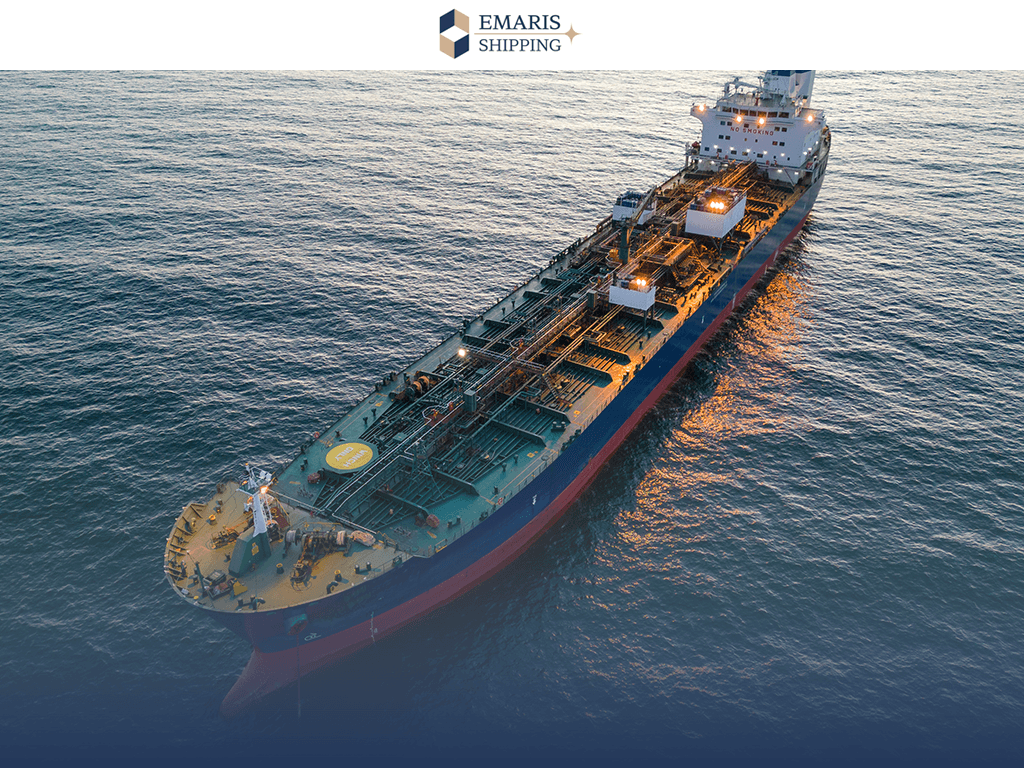
Bunker and tanker fleet management is the technical and compliance management of bunker tankers and barge fleets. Emaris manages bunker and tanker fleets from Singapore, covering ISM compliance, crewing, the planned maintenance system and class surveys, with specific experience in bunker barge operations and future-ready bio-fuel and methanol barges.
This blog will walk you through why bunker fleet management demands a fundamentally different operating model, how traditional tanker ship management falls short, and what shipowners must change to control compliance risk and protect uptime.
In high-visibility ports like Singapore, bunker operations turn routine ship management into a real-time test of safety, judgment, and regulatory readiness.
Why bunker fleets are not “just smaller tankers”
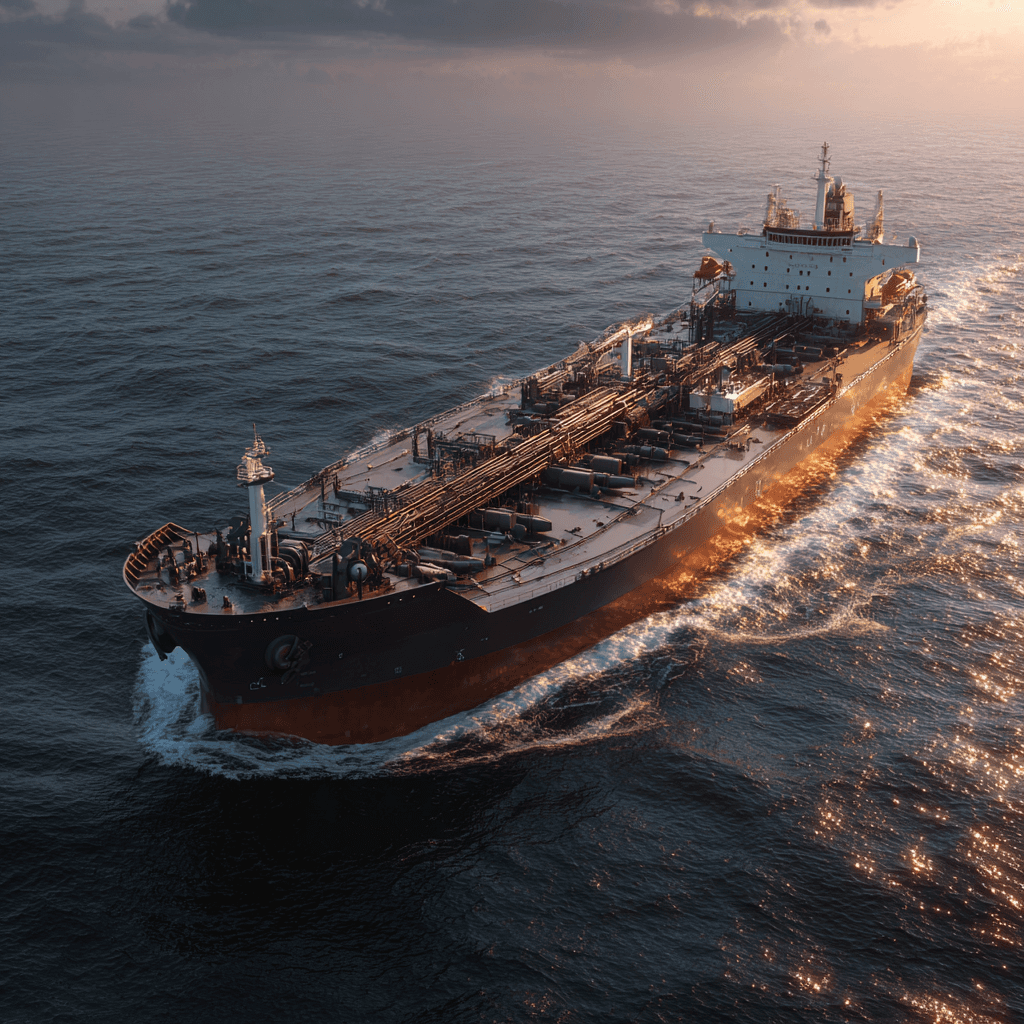
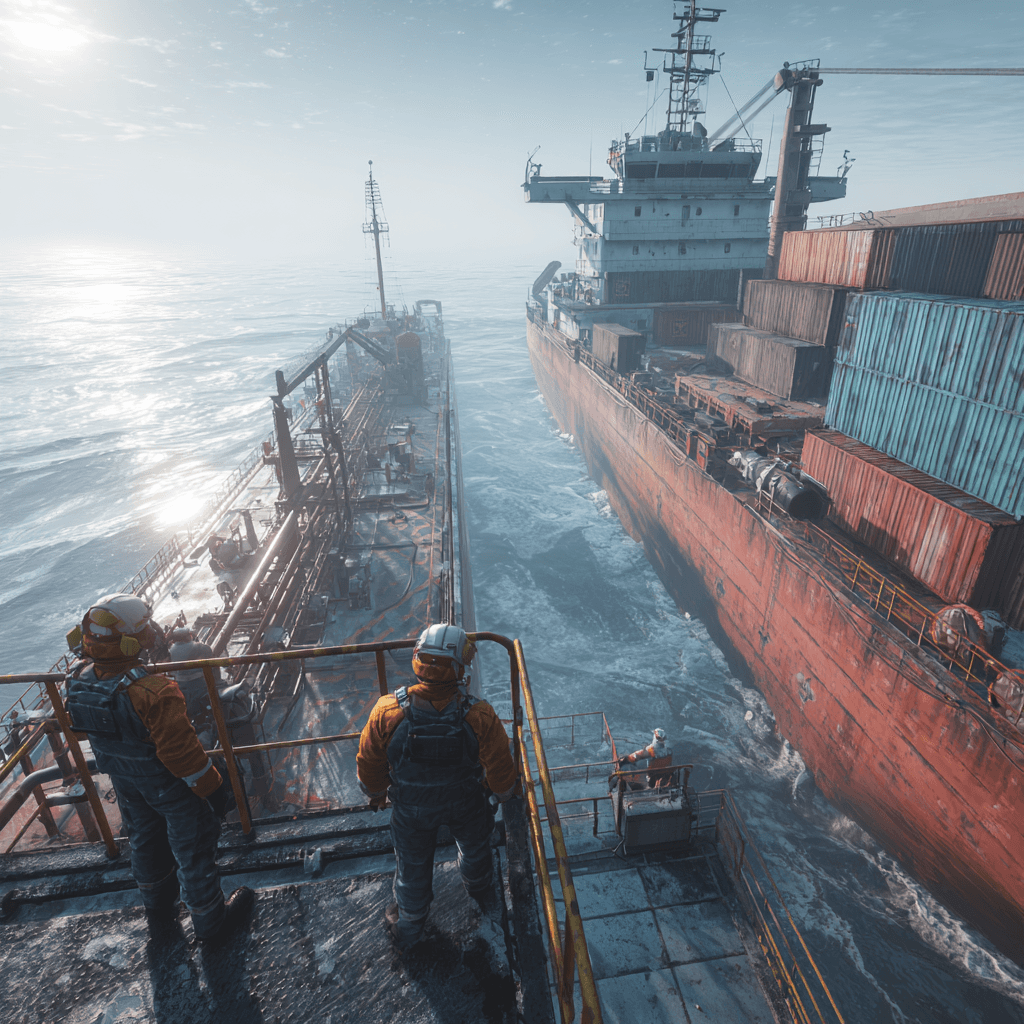
Bunker vessels share a hull form and cargo type with tankers, but their operating reality is different. A bunker barge conducts frequent ship-to-ship transfers, operates under intense port oversight, and interacts with multiple counterparties every day. Each transfer introduces exposure that does not exist in point-to-point tanker trading.
This difference is why bunker fleet management cannot be treated as a scaled-down version of tanker ship management. The management scope, compliance risk profile, and operational tempo are fundamentally different.
Shipowners who apply generic tanker ship management frameworks to bunker fleets often discover the gap during inspections, incidents, or commercial suspensions.
What makes bunker fleet management operationally unique
High-frequency operations amplify risk
A bunker vessel may complete several transfers in a single day. Each operation involves hose connections, flow control, custody transfer documentation, and close-quarters manoeuvring. Small procedural lapses compound quickly.
This frequency changes how safety systems must function. Procedures cannot live in manuals alone. They must be executable under time pressure and variable conditions.
Regulatory visibility is constant
In ports like Singapore, bunker vessels operate under continuous scrutiny. Port authorities, charterers, and counterparties monitor operations closely. Inspections are frequent and targeted.
The Maritime and Port Authority of Singapore enforces strict licensing, operational conduct, and safety standards for bunkering activities, making compliance a daily operational requirement instead of a periodic audit concern.Commercial consequences are immediate
A tanker that fails an inspection may face delays. A bunker vessel that fails compliance expectations risks suspension from operations altogether. This difference reshapes how ship management decisions must be made.
Why traditional tanker ship management models fall short
Tanker ship management assumes operational separation
Conventional tanker ship management is built around voyages, port calls, and cargo cycles. Risk is assessed per voyage. Documentation updates follow scheduled reviews.
Bunker fleets operate continuously within port limits. Risk exposure resets multiple times a day. Management systems designed for voyage cycles struggle to keep pace.
Compliance responsibility becomes blurred
In tanker ship management, compliance tasks are often distributed between technical teams, operations, and shore compliance officers. In bunker operations, this fragmentation creates gaps.
Inspectors assess how procedures are applied at the point of transfer. They do not accept explanations that responsibility sits elsewhere.
This is where bunker fleet management requires integrated control across technical, operational, and compliance functions.
The compliance risk profile of bunker operations
Ship-to-ship transfers change the inspection lens
Bunker operations attract a different inspection focus. Authorities and charterers pay close attention to:
Transfer procedures and controls
Crew role clarity during operations
Emergency response readiness
Documentation accuracy at the point of delivery
These factors are central to OCIMF vetting expectations for bunkering activities, where operational behaviour carries more weight than static documentation. The vetting framework published by OCIMF reflects this emphasis on live operational risk.
ISM compliance is tested in real time
The Safety Management System is not assessed by file review alone. Inspectors observe how crews identify hazards, apply controls, and respond to deviations during active bunkering.
The International Maritime Organization defines ISM compliance as effective implementation, which becomes visible only during operations, not audits.
This is why bunker fleet management must embed ISM execution into daily routines rather than rely on periodic reviews.
How bunker fleet management reshapes ship management priorities
Operations drive management decisions
In bunker fleets, operations lead and management supports. Ship managers must design systems that work under constant activity, not ideal conditions.
This includes:
Procedures written for execution, not completeness
Risk assessments updated during operations
Clear authority lines for stopping work
Real-time communication between ship and shore
Crew management becomes central
Bunker crews face higher interaction rates, more frequent decision points, and greater external pressure. Fatigue management, competence, and judgment directly affect compliance risk.
Separating crew management from operational oversight weakens control. Bunker fleet management requires integrated crew management aligned with operational realities.
Why digital systems matter more in bunker fleet management
Paper systems fail under operational pressure
Bunker operations generate high volumes of documentation. Paper-based systems struggle to keep records current and accessible during inspections.
Digital compliance platforms allow:
Immediate access to procedures during operations
Consistent documentation between ship and shore
Faster inspection responses
Reduced human error in record keeping
Digital systems do not replace seamanship. They remove friction so crews can focus on safe execution.
The Singapore factor in bunker fleet management
Singapore is the world’s largest bunkering hub. That status brings opportunity and scrutiny in equal measure.
For shipowners, this means bunker fleet management must integrate local regulatory expectations into everyday operations. Generic tanker management frameworks rarely achieve this without adaptation.
How Emaris Shipping approaches bunker fleet management differently
Emaris Shipping manages bunker fleets by treating operations, compliance, and crew performance as a single system rather than separate functions.
This approach includes:
Operational procedures built around live bunkering workflows
Integrated crew management aligned with operational risk
Continuous audit readiness rather than inspection preparation
Digital systems supporting real-time documentation
Shore teams actively involved in operational decision making
These elements are embedded within Emaris Shipping’s broader ship management services framework.
The outcome is compliance backed by operational resilience in a high-pressure environment.When tanker ship management still works
Tanker ship management remains effective for vessels operating on predictable routes with defined port calls and lower interaction frequency.
For bunker fleets, those assumptions rarely hold. Applying tanker models without adjustment increases exposure to compliance risk, operational disruption, and commercial penalties.
Shipowners must assess management fit based on operating profile, not vessel type alone.
What shipowners should evaluate now
For bunker fleet operators, the key questions are practical:
Are operations managed as the primary risk driver
Is compliance owned at the point of execution
Do crews understand why procedures exist
Can documentation be produced instantly during inspections
Is shore support operationally engaged
If these answers depend on informal processes, bunker fleet management requires a different approach.
Conclusion
Bunker fleet management is not a subset of tanker ship management. It is a distinct operational discipline shaped by frequency, visibility, and compliance risk.
Shipowners who adapt their management approach gain operational stability and commercial credibility. Those who do not often learn the difference during inspections or incidents.
Speak with Emaris Shipping to evaluate whether your bunker fleet is managed for today’s operational and regulatory reality, not yesterday’s assumptions.
FAQs About Bunker Fleet Management
Why is bunker fleet management different from tanker ship management?
Bunker fleet management involves high-frequency operations, constant regulatory scrutiny, and real-time compliance expectations that exceed typical tanker ship management models.
What role does OCIMF vetting play in bunker operations?
OCIMF vetting focuses on live operational behaviour during bunkering, making integrated management and crew readiness essential.
How does ISM compliance apply to bunker fleets?
The International Maritime Organization defines ISM compliance as effective implementation, which inspectors assess during active bunkering operations.
Is digitalisation necessary for bunker fleet management?
Yes. Digital systems support real-time documentation, reduce errors, and improve inspection readiness in high-tempo operations.
Why does Singapore require a stricter approach?
Singapore’s regulatory environment and inspection frequency demand continuous compliance execution, not periodic preparation.