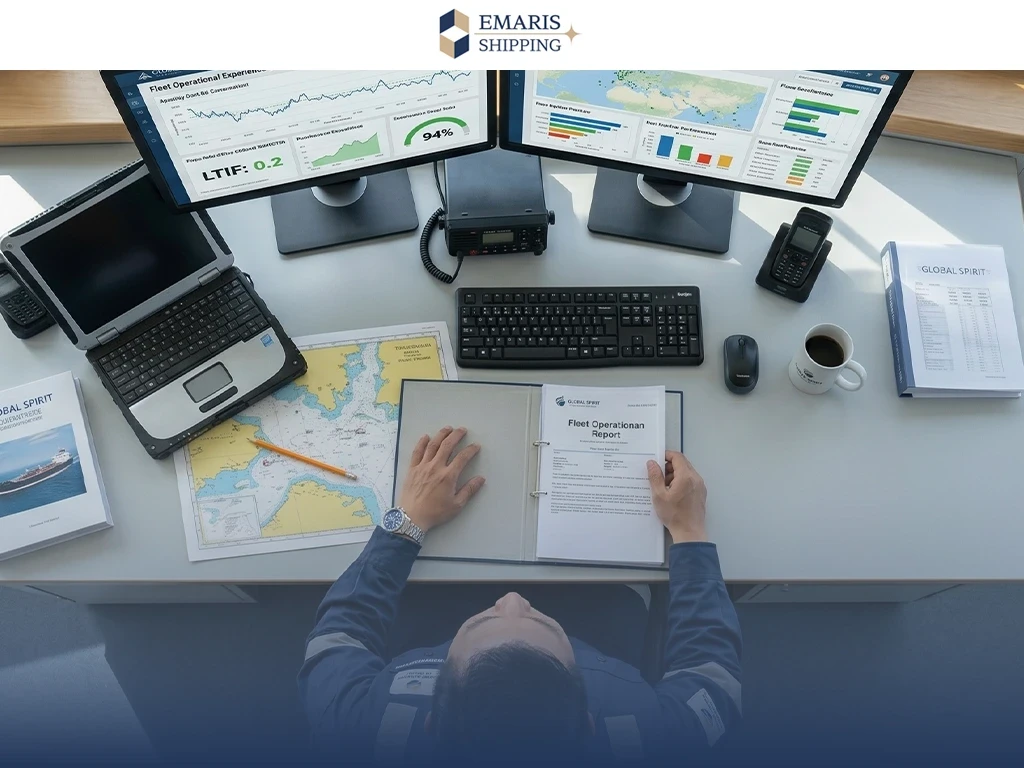
Ship management is often framed as a compliance function, something a vessel needs to pass inspections, satisfy flag state requirements, and remain commercially insurable. That framing is accurate, but it is also incomplete. Compliance is the floor. The question for ship owners evaluating management relationships is what exists above it.
The gap between a management company that keeps a vessel compliant and one that actively builds its commercial performance is significant. It shows up in vetting scores, crew retention rates, fuel efficiency, dry dock cost variance, and ultimately in the revenue availability of the vessel. Owners who understand this gap choose management partners differently.
The Compliance Baseline: What Every Ship Management Company Must Deliver
The compliance baseline in ship management covers the ISM Code Safety Management System, ISPS security protocols, MLC crew welfare obligations, flag state statutory certifications, and class survey requirements.
Every licensed ship management company is expected to deliver this baseline. An ISM Document of Compliance, a vessel's Safety Management Certificate, and current class status are baseline prerequisites that any credible manager holds. Any management company that cannot consistently maintain these is operationally non-functional.
Where compliance becomes a genuine differentiator is not in possession of the certificate but in the depth of implementation behind it. An SMS that is documented but not operationally embedded will fail under the crew interaction and behavioural assessment model of SIRE 2.0. A vessel that holds its class without consistent PMS discipline accumulates deferred maintenance that will surface during the next survey or emergency.
The baseline matters. But the baseline alone does not produce commercially competitive vessels.
Beyond Compliance: The Strategic Value Layer
The value of ship management beyond compliance is delivered through four interconnected areas: fleet efficiency, crew performance, digital capability, and commercial support.
These are not separate services; they are the outputs of a management model that treats the vessel as an operating asset to be optimised, not just a regulated object to be maintained.
Owners who engage their management company as a strategic partner instead of a compliance administrator usually see measurable differences in vessel uptime, inspection performance, and total cost of ownership over a three-to-five year period.
Fleet Efficiency: Uptime, Maintenance, and Asset Longevity
Fleet efficiency in ship management starts with planned maintenance executed consistently, not just documented. A vessel whose PMS is genuinely operational, where maintenance intervals are followed, spare parts are available, and critical equipment is condition-monitored, experiences fewer breakdowns, shorter off-hire periods, and more predictable dry dock scopes.
The efficiency value compounds over time. A vessel maintained at a high technical standard retains asset value better, attracts more favourable survey outcomes, and costs less to dry dock because the scope of remedial work is smaller. Deferred maintenance is a deferred cost that arrives with interest.Ship managers who add value at this level operate with forward-looking maintenance planning, proactive superintendent visits, and technical oversight that identifies deterioration trends before they become failures. This is the operational distinction between reactive management and genuine technical oversight.
For fleet owners with multiple vessels, the efficiency gains from active technical management aggregate into measurable OPEX improvement across the portfolio.
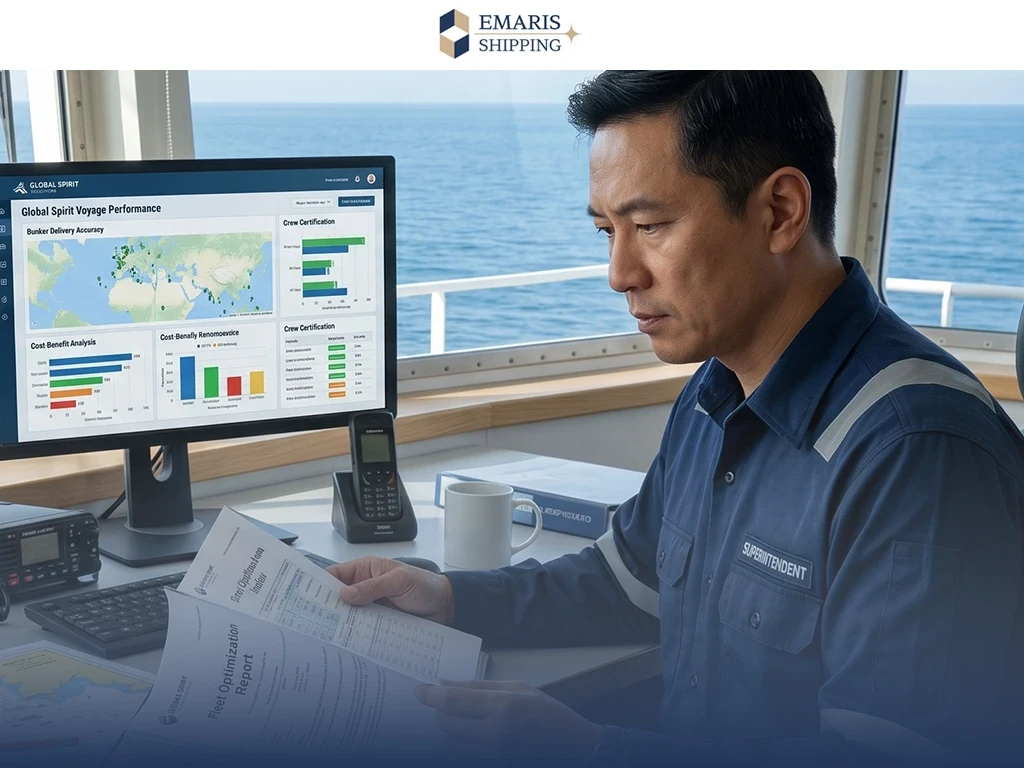
Crew Retention: The Human Performance Dividend
Crew turnover is one of the most underappreciated cost centres in ship management. Replacing an experienced officer requires recruitment, certification verification, onboarding, and a ramp-up period during which the new crew member is less operationally effective than the one they replaced.
For tanker operations specifically, officer continuity matters commercially. Experienced tanker officers who understand the vessel's specific equipment configuration, cargo handling procedures, and vetting preparation requirements produce better SIRE outcomes than frequently rotated crews operating general procedural frameworks.
Ship management companies that invest in crew welfare, career development pathways, competitive conditions, and proactive communication with seafarers see higher retention rates. The commercial value of this investment is real: lower recruitment costs, better inspection outcomes, and reduced operational risk from unfamiliar crew in critical roles.
Emaris Shipping's approach to crew management services is built around exactly this logic, treating crew retention as an operational performance lever, not just a welfare obligation.
Digital Advantage: Visibility Changes Management Quality
The gap between ship management companies that operate with digital compliance and operational systems and those that rely on paper-based or disconnected processes is widening. It is now measurable in inspection outcomes, reporting quality, and management response times.
Digital platforms that aggregate maintenance records, crew certification status, PSC deficiency history, and operational data into a single environment allow managers to identify risk trends before they become inspection findings. They allow owners to maintain real-time visibility into fleet performance rather than waiting for monthly PDF reports. And they allow inspection responses to be faster, more traceable, and better documented.
This is already a competitive advantage today. Charterers and vetting inspectors now look past whether records exist and check whether they are current, consistent, and verifiable on demand.
Emaris Shipping's digital compliance and operational systems are specifically built to provide this kind of live operational visibility, connecting technical, crew, and compliance data into a framework that supports both daily management and owner-level oversight.
Commercial Support: Management as a Strategic Partnership
The most mature ship management relationships extend into commercial support, where the manager's operational data, regulatory knowledge, and industry relationships actively support the owner's commercial objectives.
This includes accurate operational budgeting that reflects real cost drivers rather than optimistic estimates, dry dock planning that protects asset value rather than minimising short-term cost, and proactive regulatory guidance that keeps the owner ahead of compliance changes before they affect commercial eligibility.
For Singapore-based tanker and bunker owners, this commercial support layer is particularly relevant. Charter parties increasingly include vetting performance requirements, CII rating obligations, and SIRE frequency clauses. A management company that tracks and improves performance across these dimensions is directly contributing to the vessel's commercial attractiveness, not just its regulatory status.
The evolving role of ship managers, from technical operators to strategic advisors, is already underway in the most sophisticated management relationships in Singapore and globally.
The Emaris Value Proposition
Emaris Shipping's ship management services are designed around the understanding that compliance and performance come from the same operational discipline.The Emaris approach combines ISM, ISPS, MLC, and TMSA-aligned management systems with active technical oversight, structured crew development programmes, and the EmarisOne digital compliance platform. For tanker and bunker operators in Singapore, Malaysia, and Indonesia, this integrated model produces the efficiency, inspection performance, and reporting visibility that transforms management from a cost into a competitive asset.
Frequently Asked Questions
What value does a ship management company provide beyond keeping certificates current? Beyond certificate maintenance, a high-performing ship management company delivers fleet efficiency through proactive technical management, crew performance improvement through retention and development programmes, digital reporting that gives owners live operational visibility, and commercial support that connects management quality to charter market eligibility.
How does ship management quality affect charter income? Charter parties increasingly specify SIRE vetting performance thresholds, CII rating requirements, and PSC detention history as commercial eligibility criteria. A vessel with strong inspection performance across these dimensions commands better chartering options and, in some cases, better rates, because charter counterparties price operational risk into their offer.
Is digital compliance important for smaller fleets? Yes. Digital compliance systems scale effectively to smaller fleets and deliver proportionally greater value, because smaller owner-operator organisations often have less internal capacity to track compliance data manually. The transparency and automation that digital platforms provide are particularly valuable when the owner's shore team is lean.
When should a ship owner reassess their management company's value? A structured value review should happen annually at the management contract review point. Key signals that value delivery has deteriorated: rising PSC deficiency rates, increasing crew turnover, declining budget performance without explanation, or a shift from proactive to reactive reporting.
External Sources