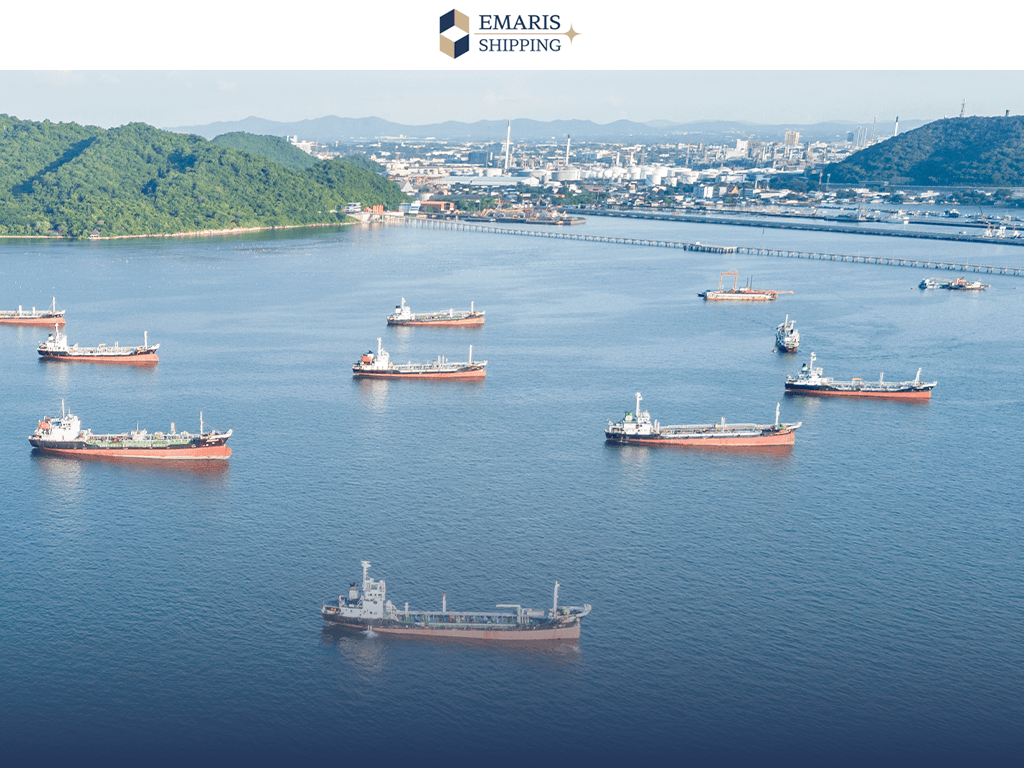

For tanker operators in Singapore’s highly competitive market, a Ship Inspection Report Programme (SIRE) performance is not merely a technical hurdle—it is the foundation of commercial viability. As of 2026, the transition to the SIRE 2.0 framework has fundamentally changed how oil majors assess risk, moving from a "static checklist" to a dynamic, tablet-based evaluation of human performance and systemic reliability.
Understanding why vessels fail is the first step toward moving from reactive fixing to strategic compliance.
The Top 10 Reasons for SIRE Inspection Failure
1. Human Factor Errors
One of the leading causes of negative SIRE observations today is human error. This is not just about mistakes; it includes poor communication during inspector questioning, crew unfamiliarity with onboard procedures, and inconsistent logbook entries. Even if the ship’s equipment is perfect, a weak crew response can trigger a failure.
2. Non-Compliance with OCIMF Requirements
The Oil Companies International Marine Forum (OCIMF) updates its requirements continuously. Failure often stems from using outdated procedures or incomplete implementation of systems like mooring equipment maintenance or cargo handling documentation.
3. Poor Documentation and Record Control
Documentation integrity is heavily emphasized. Common failures include discrepancies between digital logs and actual practice, missing drill reports, or improperly maintained certificates. Such inconsistencies suggest a systemic management weakness to the inspector.
4. Inadequate Maintenance and Equipment Condition
Physical deficiencies, such as corrosion in critical areas, oil leaks in machinery spaces, or faulty safety alarms, remain core risks. These observations usually point to a failure in Preventive Maintenance Planning.
5. Weak Pre-Vetting Preparation
Many vessels fail because preparation begins too late. Without sire pre-vetting services that simulate actual inspection conditions—including mock crew interviews and independent gap analysis—critical vulnerabilities go unnoticed until the official report is filed.
6. Bridge Resource Management (BRM) Gaps
Inspectors frequently find deficiencies in navigation bridge resource management, including outdated safety manuals or a lack of understanding regarding the vessel's specific electronic chart display systems.
7. Engine Room Housekeeping Standards
Beyond mechanical function, the physical state of the engine room—including firefighting equipment readiness and lifeboat maintenance—serves as a proxy for the quality of the ship management team.
8. Enclosed Space Entry Procedures
Failure to strictly follow safety protocols for enclosed space entry is a high-risk observation. This often involves a failure in the Safety Management System (SMS) implementation where drills are either not performed or poorly recorded.
9. Inconsistent Safety Culture
Under the IMO ISM Code, vessels must maintain an effective SMS. Failures occur when risk assessments and incident reporting mechanisms are treated as "paperwork" rather than active safety tools.
10. Lack of Technical Oversight
When the superintendent-to-vessel ratio is too high, technical management becomes reactive. This leads to "reactive repair" cycles where issues are only addressed once they become visible deficiencies.
How Proper Ship Management Prevents Failure
Professional ship management transforms a vessel from a state of vulnerability to one of inspection resilience.
Continuous Compliance Monitoring: Instead of a last-minute rush, strategic managers conduct periodic internal audits and benchmark performance trends against OCIMF requirements.
Structured Crew Training: Human factor errors decline when crews receive scenario-based training and senior officers rehearse documentation drills.
Integrated Safety Management Systems (SMS): A well-managed SMS includes robust root cause analysis and document control systems that ensure the vessel is always "audit-ready".
Professional Pre-Vetting Services: Engaging dedicated sire pre-vetting services provides an objective gap analysis and corrective action plan before the official inspection begins.
Conclusion: A Strategic Competitive Advantage
In Singapore’s rigorous regulatory environment, SIRE performance is inseparable from commercial success. A poor report leads to delayed fixture approvals and reduced charter rates. By partnering with a management team that views compliance as a continuous function—rather than a periodic event—shipowners protect both their assets and their reputation.