
Selecting a ship management partner is a high-stakes strategic decision that directly impacts a shipowner’s bottom line and reputation. In Singapore, a global maritime powerhouse, the bar for compliance, safety, and operational performance is exceptionally high.
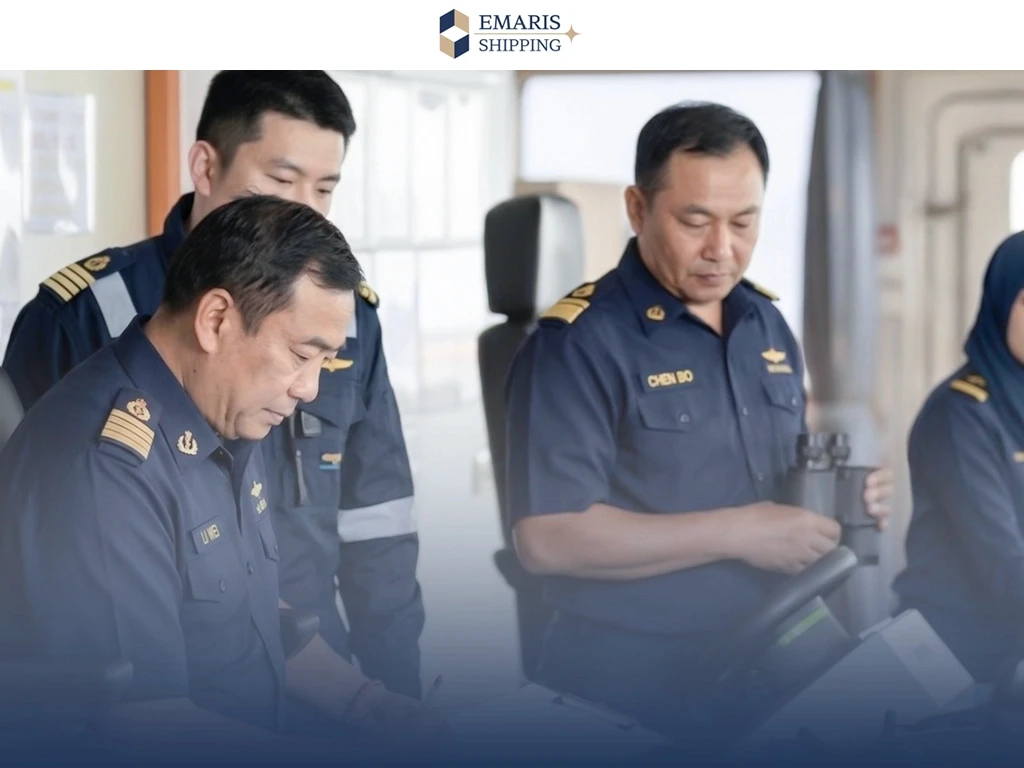
Choosing the wrong partner can lead to costly inspection deficiencies and crew instability; however, the right choice strengthens asset value and regulatory standing. This guide outlines the essential criteria for evaluating a ship management company before you sign on the dotted line.
1. Technical Management & Lifecycle Planning
Technical management is about structured lifecycle planning, well beyond reactive repairs. A credible partner should have proven systems for:Planned Maintenance Systems (PMS): Digital tracking of all machinery and hull maintenance.
Superintendent-to-Vessel Ratio: High-quality managers typically maintain a low ratio (e.g., 1:3 or 1:4) to ensure dedicated oversight.
Dry Docking: Proven accuracy in dry dock forecasting and budgeting.
Expert Resource: For a deeper dive into technical oversight benchmarks in Singapore, review Technical Ship Management in Singapore.
2. Measurable Performance: KPIs and SLAs
Avoid companies that offer only "general assurances." Demand transparency through defined Key Performance Indicators (KPIs) and Service Level Agreements (SLAs).
Off-hire days: A primary metric for operational efficiency.
Budget variance: How closely they stick to the agreed financial plan.
PSC Deficiency Rates: Their track record during Port State Control inspections.
3. Vetting and Inspection History
A manager's history tells the truth that marketing materials might hide. You must evaluate:
Tokyo MOU Performance: Vessels in the Asia-Pacific are subject to strict Port State Control under the Tokyo Memorandum of Understanding.
Oil Major Vetting: If applicable, review their performance in SIRE or RightShip inspections.
Transparency: Reputable firms are open about past detentions and demonstrate clear corrective actions.
4. Crew Management & Welfare
Crew performance is the backbone of safety and vessel reliability.
Retention Rates: High turnover increases operational risk and reduces vessel familiarity.
Training: Look for structured recruitment networks and continuous development programs.
Compliance: Ensure they meet all MLC (Maritime Labour Convention) requirements for crew welfare.
5. Financial Governance & Transparency
To prevent budget overruns, ensure your contract includes clear financial protocols:
Procurement Policies: Transparent mark-up policies and ethical sourcing.
Approval Thresholds: Defined limits for when the manager must seek owner approval for expenses.
Reporting: Audit-ready financial reporting and frequent variance tracking.
6. Safety Management Systems (SMS)
Safety culture is demonstrated through systems, not just statements. Under IMO ISM Code requirements, every vessel must have an effective SMS.
Internal Audits: Regular, rigorous checks on safety protocols.
Near-Miss Reporting: A proactive approach that tracks incidents before they become accidents.
7. Scalability and Contract Flexibility
As your fleet grows, your partner must be able to scale with you.
Resource Capacity: Ensure they have the infrastructure and superintendent workload capacity to handle more vessels.
Exit Clauses: Review termination notice periods and asset handover procedures to protect your long-term interests.