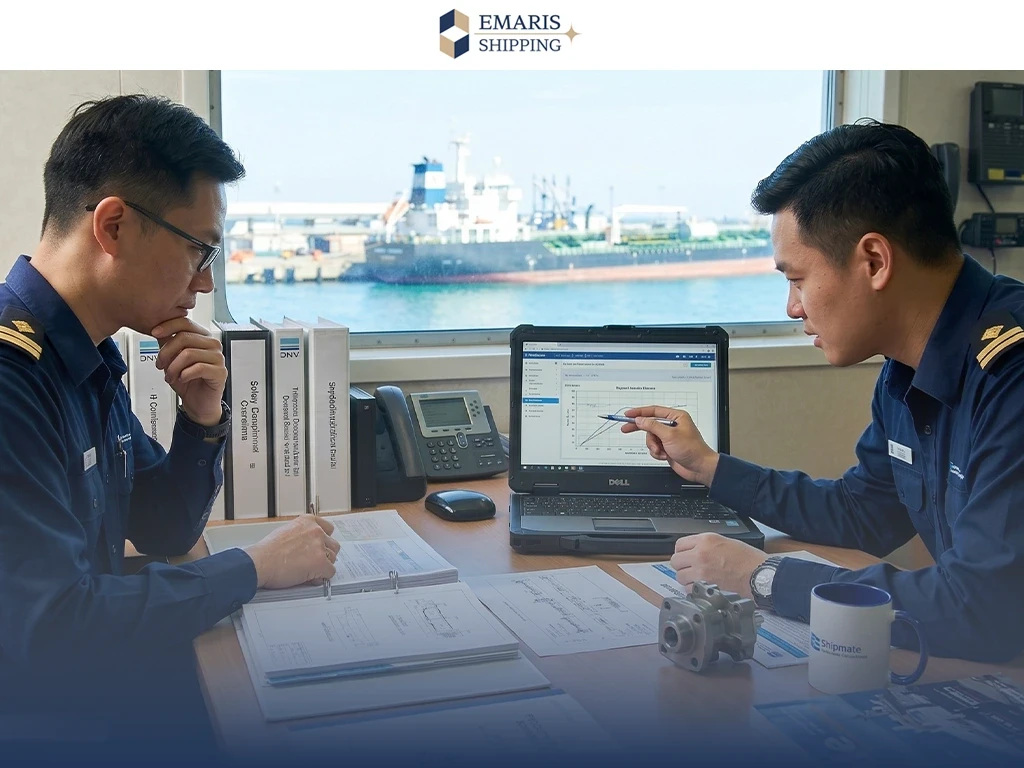
Owning a vessel without a solid technical management framework turns asset management into liability management. Equipment deteriorates without structured maintenance. Certificates lapse without systematic tracking. Dry dock costs escalate without advance planning. And when any of these failures surface during a PSC inspection or vetting, the commercial consequences arrive faster than the operational ones.
Vessel technical management is the discipline that prevents this, the structured, professional oversight of everything related to the physical condition, operational readiness, and regulatory compliance of a ship. For owners who delegate this to a qualified technical manager, it transforms a complex, resource-intensive obligation into a managed service with defined accountability. For owners who attempt it in-house without the depth to do it well, the gaps typically surface at the worst possible moment.
This guide covers what vessel technical management is, what it includes, how each component contributes to vessel performance, and what ship owners should look for when choosing a technical management partner.
What Is Vessel Technical Management?
Vessel technical management is the professional oversight and execution of all activities required to maintain a vessel in a safe, seaworthy, and regulatory-compliant condition throughout its operational life.
It encompasses the full technical lifecycle of the vessel, from planned maintenance execution and spare parts procurement through dry docking, class society surveys, and machinery condition monitoring. A technical ship manager takes responsibility for ensuring the vessel meets the standards required by flag state, classification society, port state control, and, for tanker operators, commercial vetting programmes such as OCIMF SIRE.
Technical management differs from full ship management in one important way: it focuses on the vessel's physical condition rather than the full operational and crew management scope. A technical manager maintains the machinery. They are not necessarily responsible for SMS implementation, crew behaviour during inspections, or compliance outcomes under the ISM Code; those responsibilities sit in full ship management. Understanding this distinction matters when structuring a management contract.
For a deeper look at how technical and full ship management differ, Emaris Shipping's piece on vessel technical management company covers the practical implications of each model.
The Full Scope of Vessel Technical Management Services
Technical management is not a single service; it is a system of interconnected functions that collectively determine the vessel's physical condition, operational readiness, and regulatory standing.
Planned Maintenance System (PMS)
The Planned Maintenance System is the operational backbone of vessel technical management. A PMS defines the maintenance schedule for every piece of equipment onboard, specifying the interval (running hours, calendar-based, or condition-triggered), the work required, the parts needed, and the qualification of the person performing it.
Under the ISM Code Element 10, a functioning PMS is a mandatory requirement for all vessels covered by the Safety Management System. Class surveyors verify PMS compliance during periodic surveys. PSC inspectors review PMS records as part of standard inspection protocols.
An effective PMS does not just schedule maintenance; it tracks completion, records outcomes, flags overdue items, and provides the documentary evidence that inspectors require. The gap between a PMS that exists on paper and one that is operationally embedded is often the difference between a clean inspection and a deficiency finding.
Dry Docking Management
Dry docking is the most resource-intensive and commercially consequential event in a vessel's lifecycle. A typical dry dock for a product tanker or bunker barge involves hull cleaning and anti-fouling coating renewal, underwater inspection by class society surveyors, propeller and stern tube work, sea chest cleaning, and any additional repairs identified during the docking period.
Technical managers are responsible for dry dock planning, which begins 12 to 18 months before the scheduled docking date. Planning involves defining the work scope (the repair specification), tendering to approved shipyards, managing the yard selection process, supervising execution, and managing cost control throughout.
Dry dock cost variance is one of the most telling indicators of technical management quality. Managers with disciplined pre-docking inspection programmes, well-written specifications, and experienced superintendents in the yard consistently deliver dry docks closer to budget than those who treat specification writing as a secondary activity.
Spare Parts Procurement and Inventory Management
Spare parts management is a logistically complex component of vessel technical management that directly affects both operational readiness and OPEX performance.
A technical manager is responsible for maintaining critical spares inventory onboard at appropriate levels, managing the vendor approval process, procuring parts at competitive prices, coordinating delivery to the vessel at the right port, and ensuring traceability of parts for class and flag compliance.
For tanker and bunker operations in Singapore and Southeast Asia, spare parts logistics are complicated by the range of ports visited, the lead times for specialist components, and the regulatory requirement to use class-approved parts for critical systems. Technical managers with established vendor networks and regional logistics capability reduce both lead times and procurement costs.
Class Survey Management
Every commercial vessel must maintain continuous class certification, the classification society's attestation that the vessel meets the structural and equipment standards required for its approved trading area and cargo type. Class surveys are scheduled events (annual, intermediate, and special/renewal surveys), each with a defined scope and documentary requirements.
The technical manager's role in class survey management includes: maintaining a survey status tracker for all certificates, preparing the vessel and its records for each survey event, liaising with the class surveyor, managing any conditions of class or recommendations arising, and ensuring that outstanding items are closed before they affect the certificate.
Class societies operating in Singapore, including Lloyd's Register, DNV, Bureau Veritas, ClassNK, and American Bureau of Shipping, each have their own survey administration processes. A technical manager with experience across multiple class societies brings better preparation depth and faster response capability when survey findings arise.
Condition Monitoring and Performance Tracking
Condition monitoring is the technical practice of assessing machinery health in real time, using measured parameters, vibration, temperature, oil analysis, and pressure, to detect deterioration before it becomes failure.
For main engines, auxiliary machinery, and critical safety systems, condition monitoring allows the technical manager to move from reactive maintenance (fixing things when they break) to predictive maintenance (fixing things before they break). This shift reduces off-hire risk, extends equipment life, and produces more predictable maintenance cost profiles.
Performance tracking extends this to the vessel as a whole, monitoring fuel consumption, speed-power curves, and operational efficiency trends to identify hull fouling, propeller degradation, or engine performance decline that can be addressed through planned intervention rather than emergency response.
How Planned Maintenance Protects Vessel Value and Reduces Risk
A vessel maintained under a disciplined PMS retains value in ways that compound over time. The immediate benefit is reduced breakdown frequency and lower off-hire exposure. The medium-term benefit is dry dock scopes that are predictable and manageable rather than crisis-driven. The long-term benefit is an asset that commands better survey outcomes, better insurance terms, and better resale value.
The inverse is equally true. A vessel whose maintenance is deferred, because the PMS is on paper but not operational, because overdue tasks accumulate without correction, or because spare parts procurement is reactive rather than planned, develops a maintenance backlog that becomes increasingly expensive to resolve. PSC inspectors and class surveyors assess maintenance records at the point of inspection and for trend patterns that reveal how the vessel has been managed over time.
BIMCO SHIP PI (the industry's standardised KPI framework) includes KPI036, Overdue Tasks in PMS, as a defined performance indicator precisely because PMS discipline is a measurable proxy for overall technical management quality.
Dry Docking: The High-Stakes Technical Event
Dry docking deserves particular attention because it is where technical management quality becomes most financially visible. A well-managed dry dock is one where the scope was defined months in advance, the specification was written to cover what is actually needed (not what is easiest to price), the shipyard was selected through a competitive process with appropriate quality verification, and the superintendent on-site has the authority and experience to manage scope changes and quality issues in real time.
Poor dry dock management manifests as: scope creep driven by inadequate pre-dock inspections, cost overruns driven by reactive change order management, extended docking periods driven by poor planning, and repeated deficiency findings driven by work quality that wasn't verified during execution.
For owners managing vessels with 5-year dry dock cycles, the financial difference between well-managed and poorly managed dry docks across the vessel's lifetime is substantial and measurable against the cost of the technical management service itself.
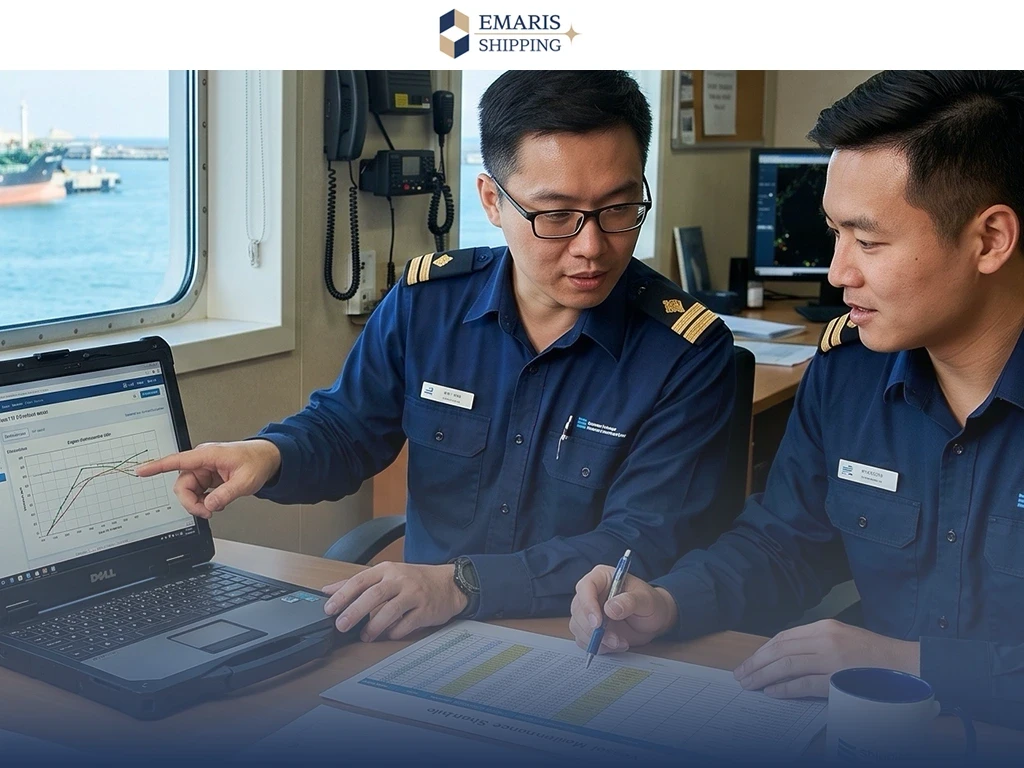
Choosing a Spares Management Strategy That Works
Spare parts management is often the least visible component of technical management, but one of the most operationally consequential. The two failure modes are opposite in nature: holding too many spares (high capital tied up in inventory, risk of damage or expiry) and holding too few (risk of operational delay when a critical component is needed in a remote port with limited supplier access).
A technical manager's approach to spares management should be driven by a critical spares analysis, a systematic assessment of which components, if they fail, would cause immediate off-hire, and what the lead time is to source a replacement. For these items, minimum onboard inventory levels are non-negotiable. For less critical items, just-in-time procurement may be appropriate.
The quality of a technical manager's vendor network matters enormously here. Managers with established relationships across multiple approved suppliers, and with regional logistics capability to expedite shipments, can reduce the operational impact of parts shortages significantly.
Class Renewal: Keeping the Vessel Commercially Operational
Class renewal, the Special Survey conducted every five years, is the most comprehensive class inspection event in the vessel's cycle. It typically coincides with a major dry docking and requires systematic inspection of hull structure, machinery, and equipment against class society standards.
Technical managers who plan class renewal well understand that the five-year cycle is not a single event at year five; it is a continuous programme of annual surveys, intermediate surveys, and condition maintenance that keeps the vessel renewal-ready throughout the cycle. Vessels that arrive at renewal in good condition, with well-maintained records and no outstanding conditions, complete the process faster, more cheaply, and with fewer commercial disruptions.
The alternative, arriving at a Special Survey with deferred maintenance, conditions of class outstanding, and poorly maintained records, produces a dry dock that is more expensive, takes longer, and creates more commercial uncertainty than the management cost savings of deferred maintenance ever justified.
How to Choose the Right Vessel Technical Management Company
Selecting a vessel technical management company should be a structured process, not a price comparison exercise. The criteria that matter most are the indicators that predict inspection performance, maintenance discipline, and crisis response capability.
Key criteria to assess include: PSC detention history for vessels under their management (zero is the standard to expect), SIRE vetting deficiency rates for any tanker portfolio, evidence of disciplined PMS execution (overdue task ratios), superintendent experience level and vessel type expertise, dry dock performance records, and the quality and timeliness of technical reporting to owners.
Digital capability is increasingly relevant. Technical managers whose maintenance, spare parts, and survey tracking run through a structured digital platform provide owners with better visibility and produce more consistent documentary evidence during inspections than those still operating on paper or disconnected systems.
The management agreement itself should define KPIs, reporting obligations, and the transition framework, the basis on which the relationship will be assessed and, if necessary, changed.
How Emaris Approaches Vessel Technical Management
Emaris Shipping's ship management services include technical management structured around the operational realities of tanker and bunker fleets in Singapore, Malaysia, and Indonesia.
The Emaris technical management approach combines ISM-aligned PMS execution, class survey coordination across major classification societies, superintendent oversight for dry docking and major repairs, and condition monitoring that enables predictive rather than purely reactive maintenance.
This is supported by the EmarisOne digital platform, which provides the owner with live visibility into maintenance status, survey timelines, spare parts inventory, and technical performance, connecting shore-side management oversight with vessel-level operational data in a continuous reporting environment.
For owners currently evaluating their vessel technical management arrangements, the practical starting point is always the same: what does your current manager's inspection performance look like, and are you getting the reporting visibility your fleet oversight requires?
Frequently Asked Questions
What does vessel technical management include? Vessel technical management includes planned maintenance execution, dry dock planning and supervision, spare parts procurement and inventory management, class survey coordination, condition monitoring of critical machinery, performance tracking, and technical reporting to the vessel owner.
How is vessel technical management different from full ship management? Technical management covers the physical condition of the vessel, machinery, surveys, maintenance, and dry docking. Full ship management extends this to include crew management, ISM Safety Management System ownership, compliance accountability, and inspection performance management. Most charter parties and vetting programmes assess full management scope outcomes.
How often should a vessel be dry-docked? Most commercial vessels require dry docking every 2.5 to 5 years, depending on flag state requirements, class society rules, and trading area. Product tankers and bunker barges typically operate on a 5-year Special Survey cycle with an intermediate dry dock at 2.5 years. Planning should begin 12–18 months before the scheduled date.
What qualifications should a technical ship manager have? Technical managers should hold or have access to ISM-qualified superintendents, class-approved documentation, and relevant flag state endorsements. At the company level, a valid Document of Compliance under the ISM Code, ISO 9001 quality management certification, and TMSA compliance (for tanker operators) are the standard reference points.
How does a vessel's PMS affect its inspection performance? A well-executed PMS produces consistent maintenance records, reduces equipment failures, and provides the documentary evidence that PSC inspectors and class surveyors require. Vessels with high PMS overdue task ratios consistently produce more inspection deficiencies, because the underlying maintenance discipline that inspections assess is not in place.
What is the cost of vessel technical management? Technical management costs vary by vessel type, trading area, and service scope, but typically represent a management fee (flat or percentage) plus direct costs (spare parts, dry dock, surveys) passed through to the owner. The fee structure and cost transparency should be defined explicitly in the management agreement.
External Sources